Industries are rapidly adopting digital solutions to improve efficiency. Among them, Digital Twins Technology is emerging as a game-changer. It allows companies to create virtual replicas of physical assets, processes, or systems. These digital models provide real-time monitoring, simulation, and analysis.
Digital twins help industries reduce downtime, cut costs, and enhance productivity. They are transforming manufacturing, energy, healthcare, and smart city operations. By 2026, this technology will become central to industrial innovation. This article explores how digital twins technology is transforming the future of industry.
What is Digital Twins Technology?
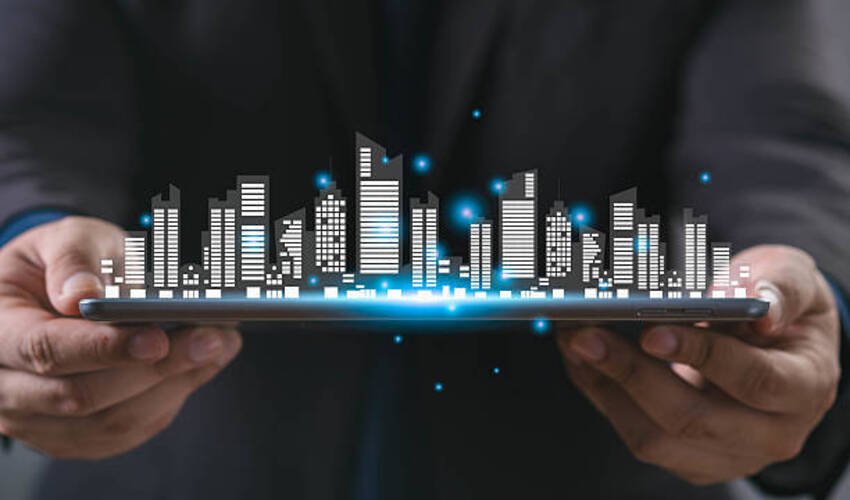
A digital twin is a virtual replica of a physical object or system. It mirrors its behavior, condition, and performance in real time.
Key components include:
- Sensors and IoT devices to collect data.
- Cloud computing for storage and analysis.
- Simulation software to replicate real-world operations.
Digital twins provide insights that help industries optimize operations and predict issues before they occur.
Why Digital Twins Technology Matters
Industries face challenges like high costs, equipment downtime, and operational inefficiencies. Digital twins address these challenges effectively.
Benefits include:
- Real-time monitoring of assets and systems.
- Predictive maintenance to prevent breakdowns.
- Cost reduction by optimizing processes.
- Enhanced decision-making with accurate data.
- Improved product design and innovation.
This technology increases efficiency, reliability, and competitiveness across sectors.
Applications of Digital Twins Technology in Industry
Digital twins are used in various industrial sectors. Let’s explore some key applications:
1. Manufacturing and Production
Digital twins optimize factory operations and production lines.
Applications include:
- Simulating assembly processes to detect inefficiencies.
- Predicting machine failures before they happen.
- Optimizing supply chain and inventory management.
Manufacturers can reduce downtime and improve product quality using this technology.
2. Energy and Utilities
Energy industries use digital twins to monitor equipment and infrastructure.
Benefits include:
- Optimizing power generation and distribution.
- Predictive maintenance of turbines, grids, and pipelines.
- Reducing energy wastage and costs.
Digital twins make energy systems more efficient and reliable.
3. Automotive and Transportation
Automotive companies use digital twins to improve vehicle design and performance.
Applications include:
- Simulating vehicle behavior in real-world conditions.
- Monitoring fleet performance and predicting maintenance needs.
- Optimizing logistics and transportation systems.
Transportation becomes safer, efficient, and cost-effective.
4. Healthcare and Medical Devices
Digital twins enhance patient care and medical device performance.
Applications include:
- Creating digital replicas of organs for personalized treatment.
- Simulating device performance before deployment.
- Monitoring patient health remotely with wearable sensors.
Healthcare becomes predictive, accurate, and patient-centric.
5. Smart Cities and Infrastructure
Cities use digital twins to manage infrastructure and urban planning.
Benefits include:
- Simulating traffic and reducing congestion.
- Optimizing energy and water distribution.
- Monitoring public safety and emergency services.
Smart cities improve quality of life and sustainability with digital twins.
6. Aerospace and Aviation
Aerospace companies adopt digital twins for aircraft and space systems.
Applications include:
- Monitoring aircraft engines in real time.
- Predicting component failures before they occur.
- Optimizing flight routes and fuel consumption.
This reduces maintenance costs and improves safety.
Key Benefits of Digital Twins Technology
Digital twins offer multiple advantages for industries:
- Predictive Maintenance: Prevents equipment failure and reduces downtime.
- Cost Efficiency: Optimizes processes and reduces operational expenses.
- Improved Design: Simulations enhance product development.
- Data-Driven Decisions: Real-time analytics guide better strategies.
- Sustainability: Efficient operations reduce resource consumption and environmental impact.
These benefits make digital twins essential for future-ready industries.
Challenges in Implementing Digital Twins Technology
Despite its advantages, digital twins face implementation challenges:
- High initial investment and infrastructure cost.
- Integration with legacy systems and older equipment.
- Need for skilled personnel in data analytics and IoT.
- Cybersecurity risks and data privacy concerns.
- Standardization and interoperability across platforms.
Proper planning and collaboration with technology providers can overcome these challenges.
Future of Digital Twins Technology in Industry
By 2026, digital twins will become more advanced and widespread.
Trends include:
- Integration with AI and machine learning for predictive analytics.
- Use of augmented reality (AR) and virtual reality (VR) for better visualization.
- Expansion to small and medium-sized enterprises (SMEs).
- Enhanced real-time monitoring with faster data processing.
- Collaboration across industries for shared insights and innovation.
Digital twins will continue transforming industries by improving efficiency, safety, and decision-making.
Conclusion
Digital Twins Technology is revolutionizing industries worldwide. From manufacturing to healthcare and smart cities, it enhances efficiency, reduces costs, and enables predictive maintenance. By 2026, this technology will become central to industrial innovation.
Businesses that adopt digital twins will gain a competitive edge. Real-time monitoring, simulation, and analytics provide actionable insights for better decision-making. Digital twins are not just a trend; they are a foundation for the future of industry. Industries that embrace this technology will achieve smarter, safer, and more sustainable operations.
FAQs
1. What is digital twins technology?
It is a virtual replica of physical systems, assets, or processes for real-time monitoring and simulation.
2. Which industries benefit most from digital twins?
Manufacturing, energy, automotive, healthcare, aerospace, and smart cities.
3. How do digital twins improve efficiency?
By predicting failures, optimizing processes, and enabling data-driven decisions.
4. Are there challenges in implementing digital twins?
Yes, including high costs, integration issues, skilled labor, and cybersecurity concerns.
5. How will digital twins shape the future of industry?
They will enhance productivity, reduce costs, and support smarter, more sustainable operations.

Read Dive is a leading technology blog focusing on different domains like Blockchain, AI, Chatbot, Fintech, Health Tech, Software Development and Testing. For guest blogging, please feel free to contact at readdive@gmail.com.