
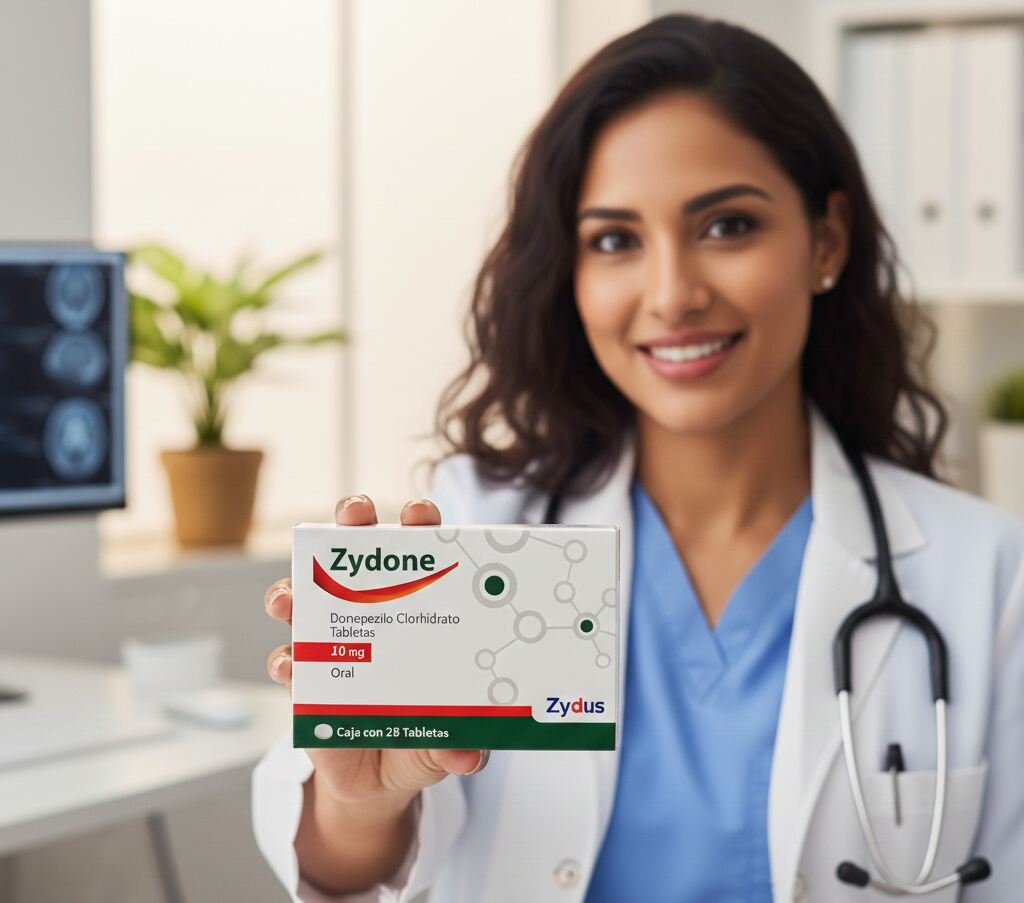
Pain remains one of the most common symptoms seen across all settings of healthcare; thus, its safe management is one of the central challenges in contemporary medicine. Among a host of pharmacologic modalities, combination analgesics, especially those that contain an opioid combined with a non-opioid pain reliever, are important when cautiously used under adequate supervision. Zydone is such a drug. It contains hydrocodone bitartrate, an opioid analgesic, and acetaminophen, a non-opioid analgesic and antipyretic. Zydone 10 mg is indicated for the management of moderate to moderately severe pain where the use of other treatments is not sufficient.
The following article on Zydone 10 mg covers, in detail and in a balanced manner, how it works, when it is prescribed, proper dosing, possible side effects, risks for dependence, important precautions, and considerations for safe use. This information is intended for educational purposes only and should not replace professional medical consultation.
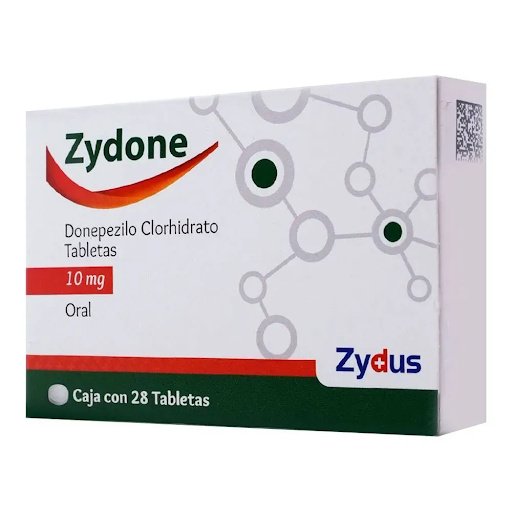
* What Is Zydone 10 mg?
Zydone is a combination analgesic with two active ingredients:
1. Hydrocodone Bitartrate (10 mg)
Hydrocodone is a semi-synthetic opioid that exerts its action by binding to the μ-opioid receptors in the central nervous system. It diminishes the subjective perception of pain by altering the transmission and perception of pain signals.
2. Acetaminophen dose varies depending on formulation
Acetaminophen, also known as paracetamol in many other countries, is not an opioid. Nevertheless, it exerts analgesic and antipyretic actions via inhibition of prostaglandin synthesis in the central nervous system.
The combination is designed so that acetaminophen enhances the analgesic effect of hydrocodone, allowing pain control at lower opioid doses than would otherwise be required.
Because of the risks involved with opioid medications, such as respiratory depression, misuse, and physical dependence, Zydone is available by prescription only.
* How Zydone Works: Pharmacological Mechanism
1. Hydrocodone Component
Hydrocodone acts primarily on the central nervous system:
- Binds to μ-opioid receptors in the brain and spinal cord
- Reduces the intensity of pain signals transmitted through the spinal cord
- Alters the affective and cognitive responses to pain
- May cause sedation and euphoria, which partly explains its abuse potential
Hydrocodone undergoes hepatic metabolism, at least partially via the CYP2D6 pathway, thereby converting some of it to hydromorphone, which itself is a more potent opioid. Individual variations in liver enzyme activity can therefore affect how patients respond to the medication.
2. Acetaminophen Component
Acetaminophen works differently:
- Weakly inhibits prostaglandin synthesis
- Reduces the central perception of pain.
- Does not cause euphoria or sedation
- Does not possess anti-inflammatory properties.
- At high doses, causes liver toxicity
Acetaminophen’s analgesic action complements hydrocodone, offering a multimodal approach to the reduction of pain.
* Who May Be Prescribed Zydone?
Zydone is indicated for the short-term management of moderate to moderately severe pain, especially when:
- Non-opioid pain relievers (NSAIDs, acetaminophen alone) are not adequate
- Pain significantly interferes with daily functioning.
- A combination product is desired for enhanced efficacy.
- Alternative analgesics are contraindicated.
It is indicated in the following:
- Injuries
- Dental procedures
- Postsurgical pain
- Acute musculoskeletal pain
- Pain in association with certain medical conditions
It is not intended for the management of chronic pain, unless under specialized supervision.
* Dosage and Administration
Standard Adult Dosage
The commonly prescribed dose for Zydone 10 mg is:
- 1 tablet every 4–6 hours as needed for pain
- DO NOT take more than the maximum daily dose your healthcare provider prescribes.
The maximum safe amount depends heavily on the acetaminophen content, since overdose with acetaminophen can trigger severe injury to the liver.
* Key Dosing Rules
- Follow prescriber instructions to the letter
- Do not take more frequent doses than prescribed
- Do not crush or chew the tablets
- Avoid taking other medications that contain acetaminophen
- Use the smallest effective dose for the shortest duration
Lower doses may be required for the elderly, those with liver impairment, or patients receiving interacting medications.
* Onset and Duration of Relief
Zydone is generally fast-acting, with effects beginning within:
- 20–30 minutes for most individuals
- Peak effect around 1 hour
- Duration of typical pain relief: 4–6 hours
This rapid onset makes it effective for acute pain episodes but at the same time requires careful attention to dosing intervals in order not to overmedicate.
* Common Side Effects
Side effects are possible, as with all opioid-containing medications. Common reactions include, Drowsiness or sedation, Dizziness or lightheadedness, Nausea or vomiting, Constipation (very common with opioids), Dry mouth, Mild headaches ,Itching
Side effects often diminish as the body acclimates, but any effects that persist need to be discussed with a healthcare professional.
* Serious Side Effects and Warning Signs
Seek immediate medical attention if you experience:
- Severe difficulty breathing or slowed breathing
- Excessive drowsiness, confusion, or inability to stay awake
- Chest pain or irregular heartbeat
- Fainting
Signs of liver damage, including
Yellowing of eyes/skin, Dark urine, Persistent nausea or abdominal pain, Swelling of the face or throat (possible allergic reaction), Seizures
Respiratory depression is the most dangerous risk of hydrocodone, particularly when mixed with alcohol or sedating drugs.
* Risks of Dependence, Misuse, and Withdrawal
Because Zydone contains an opioid, it carries boxed warnings used for opioid medications:
1. Dependence and Abuse
Prolonged or inappropriate use can lead to:
- Physical dependency
- Psychological dependence
- Drug-seeking behaviour
These risks are higher among those with a history of substance use disorders.
2. Withdrawal Symptoms
Abrupt cessation of hydrocodone after long-term use may result in:
- Restlessness
- Sweating
- Runny nose
- Muscle aches
- Irritability
- Nausea or diarrhea
A tapering program guided by a healthcare professional minimizes withdrawal.
* Important Precautions
✔ Avoid alcohol
Combining Zydone with alcohol increases the risk of:
- Respiratory depression
- Liver toxicity resultant of acetaminophen consumption
- Dangerous sedation
✔ Avoid driving or operating machinery
Drowsiness, slowed reaction times, and impaired judgment can occur even at standard doses.
✔ Inform Your Doctor About Medical Conditions
Zydone is not recommended in the following cases:
- Severe respiratory disorders
- Liver disease
- Kidney disease
- Gastrointestinal obstruction
- Head injuries or increased intracranial pressure
- History of substance abuse
Allergies to opioids or acetaminophen
✔ Drug Interactions
Zydone may interact with:
- Other CNS depressants (benzodiazepines, sleep aids, alcohol)
- MAO inhibitors
- Certain antidepressants
- Antihistamines
- CYP2D6 inhibitors
Always inform your provider about all medications, supplements, and herbal products you take.
* Safe Use and Storage
Opioids require strict safety practices:
- Store in a secure location, inaccessible to children or visitors.
- Do not share the medication with anyone.
- Keep tablets in original packaging
- Dispose of unused tablets through pharmacy take-back programs or as outlined in local guidelines
The majority of poisonings occur via accidental ingestion, especially among children.
* Overdose Risks and Symptoms
Overdose can be caused by:
- Taking more medication than is prescribed
- Combining Zydone with alcohol or sedatives
- Taking more than one acetaminophen-containing product
Symptoms of overdose include:
- Extreme sleepiness
- Blue-tinged lips or fingertips
- Slow or shallow breathing
- Pinpoint pupils
- Loss of consciousness
Naloxone (an opioid reversal agent) can temporarily counteract opioid overdose and may be prescribed for individuals at risk.
Conclusion:
Zydone 10 mg combines hydrocodone and acetaminophen as active ingredients. It is an analgesic used for the short-term treatment of moderate to moderately severe pain.
It works effectively because an opioid and a non-opioid medication in it help to produce relatively fast relief in acute pain cases.
However, like all medications containing an opioid, it must be cautiously used because of risks of respiratory depression, dependence, misuse, and liver toxicity due to an excess amount of acetaminophen. Zydone can be a useful tool in pain management when the pain does not respond to milder medications and when used exactly as prescribed, under appropriate medical supervision. The patient should follow all dosing guidelines, avoid alcohol and sedatives, monitor for side effects, and communicate openly with healthcare providers for safety and effectiveness.

Read Dive is a leading technology blog focusing on different domains like Blockchain, AI, Chatbot, Fintech, Health Tech, Software Development and Testing. For guest blogging, please feel free to contact at readdive@gmail.com.