
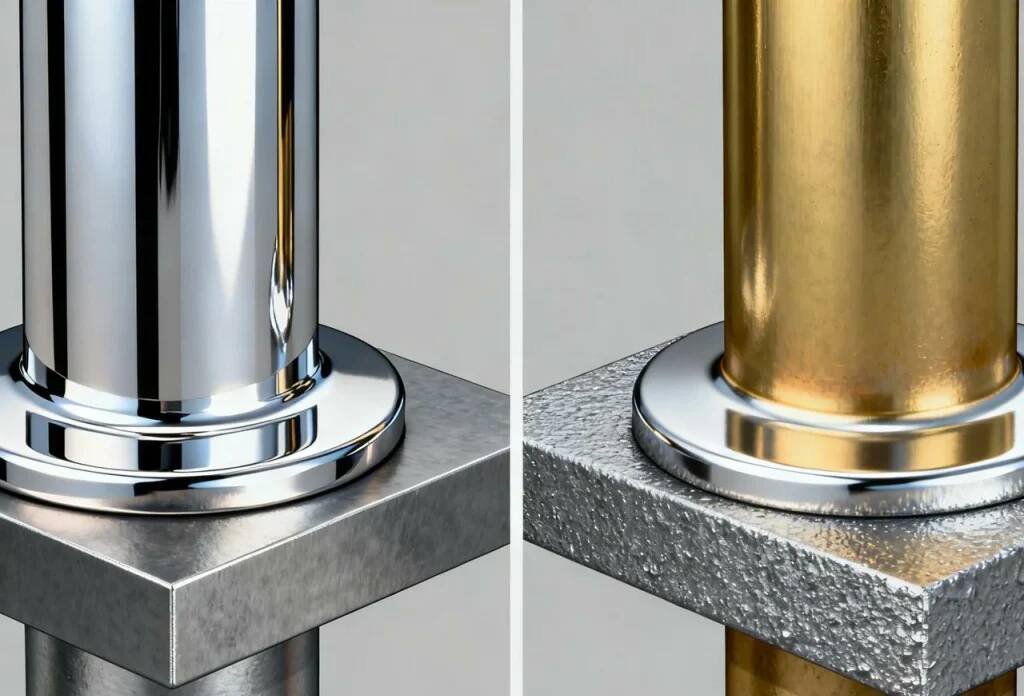
If you’ve ever looked at an old car part, motorcycle accessory, or metal fixture and thought, “How do I even begin fixing this surface?”—you’re definitely not alone. Chrome plating removal is one of those topics that sounds simple on the surface but quickly turns technical once you get into real-world applications.
In my experience working with metal restoration projects, I’ve seen people underestimate how stubborn chrome layers can be. The truth is, chrome plating removal isn’t just about stripping a shiny coating off metal. It’s about understanding what sits underneath, how the plating was applied, and what method will get the job done without damaging the base material.
Understanding Chrome Plating Removal Basics
Before jumping into tools and chemicals, it’s important to understand what you’re actually dealing with. Chrome plating removal starts with knowing what chrome plating is and why it behaves the way it does.
What Is Chrome Plating?
Chrome plating is a thin layer of chromium applied onto a metal surface through electroplating. It’s used because it improves corrosion resistance, enhances appearance, and increases surface hardness. That mirror-like shine you see on bumpers or fixtures? That’s usually chrome.
But here’s the catch: that layer is intentionally designed to be durable. That’s why chrome plating removal can’t be handled like regular paint stripping. It requires either mechanical force, chemical reaction, or controlled electrochemical methods.
Why Remove Chrome Plating?
People look into chrome plating removal for several reasons. Sometimes the plating is damaged or peeling. Other times, the underlying metal needs repair, welding, or refinishing. In restoration work, removing old chrome is often the first step before re-coating or repainting.
In industrial settings, chrome may also need to be removed due to safety regulations or product redesign. Whatever the reason, the key is choosing a method that respects the base material.
Common Methods for Chrome Plating Removal
When it comes to chrome plating removal, there isn’t a single universal method. The right approach depends on the type of metal, thickness of the chrome layer, and the final finish you want.
Mechanical Methods (Grinding, Sanding, Blasting)
One of the most straightforward ways to handle chrome plating removal is mechanical abrasion. This includes sanding, grinding, or abrasive blasting.
It’s effective, especially for thick or heavily worn chrome layers. However, it requires a careful touch. Go too aggressive, and you risk damaging the base metal underneath. I’ve seen beginners rush this step and end up reshaping the entire surface unintentionally.
Mechanical removal works best when precision isn’t the highest priority or when the part will be refinished afterward.
Chemical Stripping Techniques
Chemical stripping is another widely used method for chrome plating removal. This process uses specialized solutions that dissolve the chrome layer without excessive mechanical force.
It’s especially useful for complex shapes where sanding or blasting can’t reach. However, chemical handling requires strict safety precautions. Gloves, ventilation, and proper disposal are non-negotiable.
If you want a deeper technical breakdown of safer methods, this guide is helpful: remove chrome plating.
This method is popular in professional workshops because it provides more uniform results compared to manual abrasion.
Electrochemical Removal Process
A more advanced approach to chrome plating removal is electrochemical stripping. This method reverses the plating process using controlled electrical current in a chemical bath.
It’s precise, efficient, and widely used in industrial environments. However, it’s not typically a DIY-friendly option due to equipment requirements and safety risks.
Still, for large-scale or high-value components, it’s often the cleanest solution.
Step-by-Step Chrome Plating Removal Process
When it comes to chrome plating removal, the real difference between a clean, professional finish and a damaged surface usually comes down to process control. People often assume it’s just about stripping the chrome off, but in reality, every stage matters—from preparation to final surface treatment. A careful, step-by-step approach helps protect the base metal and ensures consistent results.
Surface Preparation and Safety First
Before starting any chrome plating removal work, proper preparation is absolutely essential. The surface should be thoroughly cleaned to eliminate grease, dust, oil, or any oxidation buildup. Even small contaminants can interfere with the stripping process and lead to uneven results. In many cases, a simple degreasing wash followed by a dry wipe is enough, but heavily used parts may require deeper cleaning.
Safety is just as important as preparation. Chrome coatings and related compounds can pose health risks if mishandled, especially during abrasion or chemical exposure. Wearing protective gloves, eye protection, and ensuring good ventilation is a basic requirement. For more intensive chrome plating removal, a respirator may also be necessary depending on the environment. Taking time to set up a safe workspace is not optional—it directly impacts both personal safety and the quality of the outcome.
The Actual Removal Process
Once preparation is complete, the chrome plating removal process begins based on the chosen method. If mechanical techniques are used, such as sanding or abrasive blasting, the key is maintaining controlled, even pressure. Rushing or focusing too heavily on one spot can damage the underlying metal, especially on thinner components. Gradual material removal helps preserve the original shape and surface integrity.
For chemical stripping, timing and consistency are critical. The part should remain in the solution only for the recommended duration, with periodic checks to monitor progress. Overexposure can weaken or etch the base material, which is why careful observation is part of the process. In electrochemical methods, maintaining stable current levels and solution balance ensures the chrome layer separates cleanly without affecting structural quality. Regardless of the method, patience is the most important factor in achieving reliable chrome plating removal results.
Post-Removal Surface Treatment
After successful chrome plating removal, the exposed metal is highly sensitive to environmental conditions. At this stage, the surface is often rough, slightly discolored, or reactive to air exposure. Immediate post-treatment is necessary to prevent oxidation or corrosion.
Depending on the final application, the surface may require fine sanding, polishing, or rust-inhibiting treatment. Some projects move directly into repainting or re-coating, while others need precision finishing for mechanical use. What matters most is stabilizing the surface quickly after stripping. A well-managed post-removal process ensures the metal remains structurally sound and ready for its next stage, whether that involves restoration, fabrication, or refinishing.
Common Mistakes to Avoid
Even experienced technicians run into issues with chrome plating removal. The key is recognizing the pitfalls early.
Overheating or Excessive Pressure
Whether you’re sanding or grinding, too much heat or force can warp the base metal. This is especially risky with thinner components.
Using the Wrong Chemicals
Not all stripping agents are suitable for all metals. Using the wrong solution can corrode the base material instead of just removing the chrome layer.
Skipping Proper Preparation
Many failures in chrome plating removal come from poor prep work. If the surface isn’t clean or properly assessed, even the best method will deliver inconsistent results.
Professional Insights and Best Practices
When you’ve seen enough restoration jobs, you start to notice patterns. Successful chrome plating removal is rarely about brute force—it’s about control and understanding the material.
When to DIY vs When to Call a Professional
Small parts or lightly plated items can often be handled at home. But when it comes to structural components, automotive parts, or precision tools, professional intervention is often worth the cost.
The equipment and chemical control in professional settings can make a huge difference in outcome quality.
Material-Specific Considerations
Different base metals react differently during chrome plating removal. Steel, aluminum, and brass all behave in unique ways when exposed to abrasives or chemicals. Knowing your base material helps you avoid irreversible damage.
Environmental Responsibility
One thing that often gets overlooked is waste handling. Chemical byproducts from chrome plating removal must be disposed of responsibly. Many regions have strict regulations around this, and ignoring them can lead to environmental harm and legal issues.
Final Thoughts
At the end of the day, chrome plating removal is part science, part craftsmanship. It requires patience, the right tools, and a clear understanding of what you’re working with.
Whether you’re restoring a vintage part or preparing metal for a new finish, the goal is always the same: remove the chrome cleanly without compromising the integrity of the base material.
If you approach it methodically instead of aggressively, you’ll consistently get better results—and save yourself a lot of frustration along the way.
Chrome may be tough, but with the right strategy, it’s absolutely manageable.

Read Dive is a leading technology blog focusing on different domains like Blockchain, AI, Chatbot, Fintech, Health Tech, Software Development and Testing. For guest blogging, please feel free to contact at readdive@gmail.com.