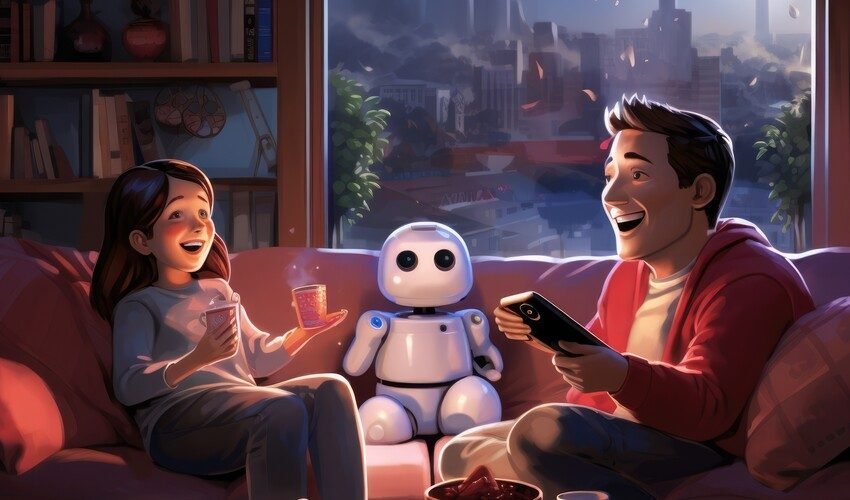
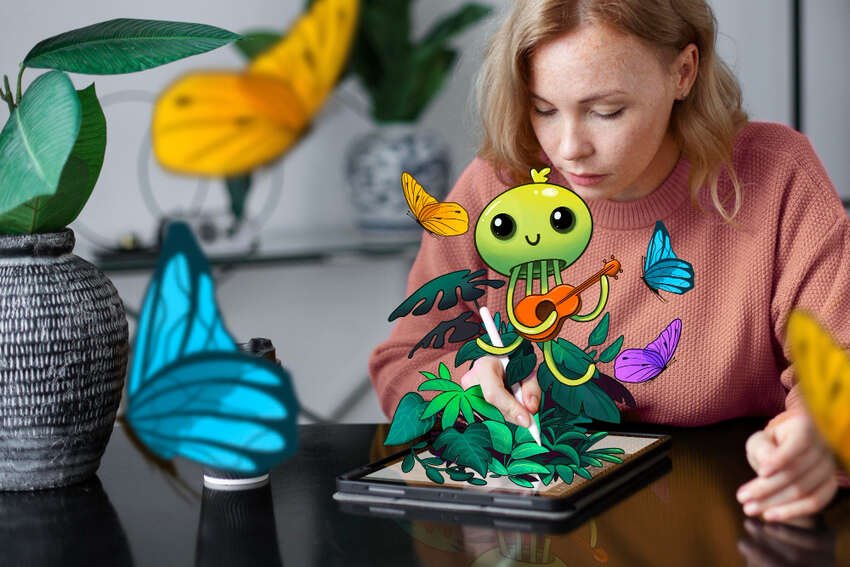
intelligence has quickly moved from a niche technical concept into a mainstream creative force. What was once limited to developers and research labs is now being used by everyday creators to produce content at scale. Whether it’s writing, design, music, or video, AI is reshaping how content is created and distributed across the internet.
This shift is not just about efficiency. It’s fundamentally changing what it means to be creative in the digital age. The tools available today allow anyone with an idea to turn that idea into content within minutes. As a result, the internet is becoming more dynamic, more experimental, and significantly more competitive.
The Expansion of AI Into Everyday Creation
A few years ago, creating high-quality content required time, skill, and often expensive tools. Writing long-form articles, editing videos, or producing music tracks involved steep learning curves and a serious time investment. AI has dramatically lowered those barriers.
Today, creators can generate written content, visuals, and even audio using simple prompts. Tools powered by machine learning can suggest ideas, structure content, and handle execution in ways that were not possible before. This allows creators to focus more on direction and strategy rather than the technical process.
This expansion has also blurred the lines between different types of creators. Someone who primarily writes can now create visuals. A marketer can experiment with video. A casual internet user can produce content that competes with experienced creators. AI is turning more people into multi-format creators without requiring them to master every skill individually.
The Rise of High-Volume Content
As AI tools become more accessible, the amount of content being produced online is increasing rapidly. Social platforms, blogs, and media sites are seeing a surge in AI-assisted content across every category. This includes educational content, entertainment, marketing materials, and even niche formats like parody and satire.
While this increase in volume creates more opportunities, it also raises the level of competition. Simply producing content is no longer enough. With so much content available, standing out requires a stronger focus on originality and relevance.
Creators today are dealing with a few clear shifts:
- More content is being published than ever before, increasing competition across every niche
- Audiences are becoming quicker to scroll past anything that feels generic or repetitive
- Algorithms tend to reward engagement signals, not just volume or consistency
- Differentiation now comes from perspective, tone, and idea quality rather than just execution
AI can help you create quickly, but it cannot fully replace the human element that makes content engaging.
Entertainment, Humor, and Internet Culture
One of the most noticeable impacts of AI is in entertainment and internet culture. Memes, jokes, parody videos, and short-form content are being generated and shared at an unprecedented pace. AI tools are particularly effective in these areas because they can quickly adapt to tone, style, and trends.
Humor, which once relied heavily on timing and creativity, is now being augmented by AI-generated suggestions and formats. Users can experiment with different styles of content without starting from scratch each time. This has led to a more playful and experimental internet culture where ideas are tested quickly and iterated on in real time.
A clear example of this shift is the rise of AI-generated music and parody content. Instead of writing lyrics manually, creators can use tools that generate songs and diss track lyrics. AI tool sites like BitFern.com show how easy it has become to create this kind of content. Someone with no background in music can now create something entertaining in minutes using a diss track generator, turning a simple idea into shareable content almost instantly.
This kind of accessibility changes how trends form and spread. Instead of a few creators driving culture, more people can participate in shaping it. Trends move faster, evolve quicker, and often have shorter lifespans because of how easy it is to create variations.
Speed Versus Originality
With the ability to create content quickly comes an important trade-off. Speed can lead to efficiency, but it can also result in content that feels repetitive or generic. Many AI-generated outputs follow similar patterns, especially when users rely too heavily on default prompts or templates.
The creators who stand out tend to follow a more intentional process:
- Start with a clear idea or angle rather than a vague prompt
- Use AI to generate a rough draft or structure
- Edit heavily to inject personality, tone, and unique perspective
- Refine for clarity, pacing, and audience relevance
- Test and iterate based on performance or feedback
The balance between speed and originality is becoming one of the defining challenges of modern content creation. Too much reliance on AI can make content blend in, while too little use of AI can slow down production and limit experimentation.
The Shift Toward Idea-Driven Content
As execution becomes easier, the value of ideas continues to increase. In the past, technical skill often determined what could be created. Now, the main limitation is the quality of the idea itself.
This shift is especially visible on platforms that prioritize engagement. Content that feels unique, timely, or culturally relevant tends to perform better than content that is technically polished but lacks originality. AI can help execute an idea, but it cannot replace the instinct needed to identify what people will find interesting.
Creators are now spending more time thinking about concepts, angles, and positioning. Instead of focusing on how to create something, they are focusing on what to create and why it matters. This change is pushing content toward being more strategic and intentional.
It also means that creativity is becoming more accessible to people who may not have traditional technical skills. Someone with strong ideas and a good understanding of their audience can now compete with more experienced creators by leveraging AI tools effectively.
The Role of Personal Voice
Even as AI becomes more advanced, personal voice remains one of the most important elements in content creation. Audiences are drawn to content that feels authentic and human, even when AI is involved in the process.
Personal voice shows up in how ideas are presented, the tone used, and the perspective behind the content. It is what makes one creator’s content feel different from another’s, even if they are using similar tools.
Maintaining this voice requires intentional effort. It means editing AI-generated content, adding personal insights, and ensuring that the final output reflects a clear point of view. Without this step, content can feel flat or indistinguishable from everything else being produced.
AI as a Creative Partner
Rather than replacing creativity, AI is better understood as a creative partner. It handles the repetitive and technical aspects of content creation, allowing creators to focus on higher-level decisions.
This partnership model changes how people approach creative work. Instead of starting from a blank page, creators start with a prompt or idea and build from there. AI provides a foundation that can be refined, expanded, or completely reworked.
This approach encourages experimentation. Creators can test multiple ideas quickly, see what works, and iterate without significant time investment. This leads to more innovation and a faster feedback loop.
The Future of Content Creation
Looking ahead, AI will continue to play a major role in shaping online content. The tools will become more advanced, more specialized, and more integrated into everyday workflows. Content creation will become faster, but also more competitive.
The distinction between AI-assisted and human-created content will become less important over time. What will matter is how well the content connects with its audience. Engagement, relevance, and originality will remain the key factors that determine success.
For creators, this means adapting to a landscape where change is constant. New tools, trends, and formats will continue to emerge, and staying relevant will require ongoing experimentation and learning.
The opportunity is significant. AI makes it easier than ever to create, publish, and scale content. But it also raises the standard for what is considered valuable.
In this new environment, the creators who succeed will not be the ones who simply use AI, but the ones who use it strategically. They will combine speed with originality, efficiency with personality, and automation with intention.
AI is not removing creativity from the process. It is reshaping where creativity happens and how it is expressed. The result is a more accessible, more dynamic, and more competitive content landscape that continues to evolve with every new tool and platform.

Read Dive is a leading technology blog focusing on different domains like Blockchain, AI, Chatbot, Fintech, Health Tech, Software Development and Testing. For guest blogging, please feel free to contact at readdive@gmail.com.