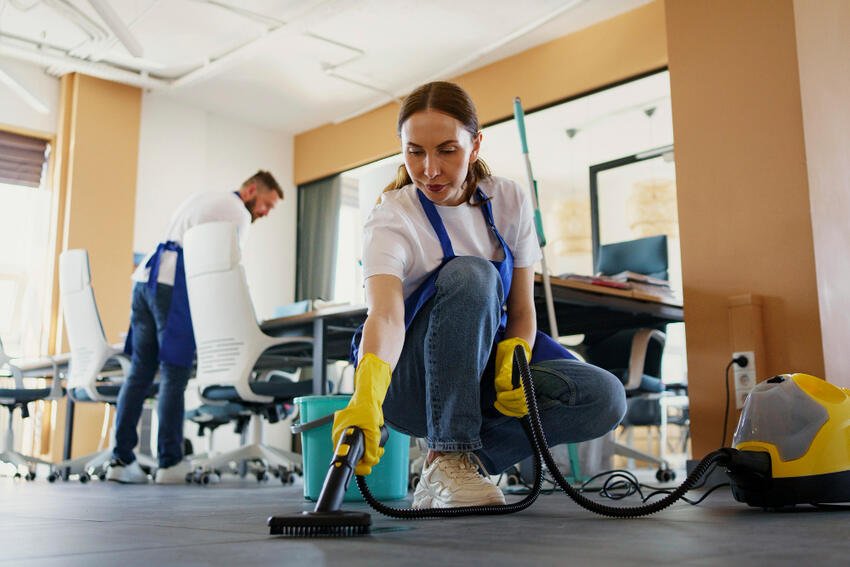
Running a cleaning business is more than just showing up with supplies and doing a good job. You are entering people’s homes, offices, and private spaces, which means you are trusted with valuable property every day. Accidents, mistakes, or misunderstandings can happen, even when you are careful, so insurance becomes super essential for cleaning businesses.
Globally, the cleaning services market, as of 2025, is valued at over $442 billion. Within the next seven years, this market is set to reach a value of more than $770 billion.
In the US alone, cleaning service businesses employ millions. Janitors and building cleaners, as of May 2023, constitute the largest segment of the country’s cleaning workforce at approximately 2.25 million employees. Maids and housekeeping cleaners come second with 836,230 workers.
With so many cleaning businesses operating and employing millions, the market has always needed strong insurance providers. And the right business insurance protects your cleaning business from financial losses, legal trouble, and unnecessary stress.
In this article, we will explore some of the most effective practices to help you find the best cleaning business insurance plans.
Understand the Risks in Your Daily Work
Before choosing any policy, you need to understand the risks your cleaning business faces. Every job comes with potential risks. A client might slip on a wet floor, an expensive item might break, chemicals could damage surfaces, or equipment might get stolen or damaged.
As Moody Clean Insurance notes, running a cleaning business means earning people’s trust. After all, you’re stepping into their property and handling their belongings. When you clearly understand the risks associated with this, it becomes easier to choose the right insurance plans for cleaning businesses.
You will know whether you need strong liability coverage, employee protection, or equipment insurance. Without this awareness, you might end up underinsured or paying for coverage you do not need.
Learn About Different Types of Business Insurance
Not all insurance works the same way, and many business owners feel confused by the options. That is why learning the basics is so important. For instance, general liability insurance protects you if someone gets hurt or property gets damaged, while workers’ compensation covers employee injuries.
Some cleaning business insurance plans combine several types into one package, while others require separate policies. Understanding these categories helps you avoid gaps in coverage. It also gives you confidence when speaking with insurance providers.
When you know what each policy does, you can choose insurance for cleaning businesses that actually protects your operations.
Compare Multiple Providers Before Deciding
Around the world, the insurance market is set to reach a market value of almost $8 trillion in 2026. And the US holds the highest nominal value when making comparisons throughout this global market. That means more providers, which means more options for you to choose from.
Now, one of the biggest mistakes business owners make is choosing the first insurance quote they receive. Prices, coverage limits, and customer service quality can vary widely between providers. Taking time to compare options can save you money and frustration.
Comparing options helps you find the best cleaning business insurance plans that balance affordability and reliability. It also gives you stronger negotiating power when discussing terms.
Ask for quotes from several companies and review them carefully. Look at what is included, what is excluded, and how claims are handled. Some providers may offer lower prices but weaker protection. Others may cost more but offer better support.
Customize Coverage to Match Your Services
Every cleaning business is different. Some focus on residential homes. Others specialize in offices, hospitals, or industrial spaces. Some work alone, while others manage large teams. These differences affect the type of coverage you need.
Generic insurance plans for cleaning businesses may not fully protect your unique operations. For example, if you use strong chemicals, you may need extra liability coverage. If you clean high-value properties, you may need higher limits. If you employ many workers, employee protection becomes more important.
Customizing your coverage ensures you are not overpaying for unnecessary features. It also helps you avoid dangerous gaps. Tailored insurance leads to stronger and more practical business insurance protection.
Work with an Experienced Insurance Advisor
If insurance feels overwhelming, you do not have to handle it alone. Working with an experienced insurance advisor can make the process much easier. These professionals understand the cleaning industry and know which providers offer strong coverage.
A good advisor listens to your business goals and recommends suitable insurance options. They can help you compare policies, customize coverage, and update plans as your business grows. They also assist you when filing claims, which can be stressful without guidance.
Having expert support helps you maintain reliable insurance for cleaning businesses over the long term. It turns insurance into a strategic asset rather than a confusing obligation.
FAQs
What is the best insurance for a cleaning business?
The most important insurance for a cleaning business is general liability insurance, which covers accidental property damage or injuries to clients. Many businesses also need workers’ compensation, commercial auto insurance, and a janitorial bond to protect against employee theft and workplace risks.
Why do cleaning businesses need insurance?
Cleaning businesses work inside clients’ homes and offices, which creates risks like property damage, slip-and-fall accidents, or employee injuries. Insurance protects the business from expensive claims, legal costs, and compensation payments if something goes wrong during cleaning services.
What happens if a cleaning business does not have insurance?
Without insurance, the business must pay out of pocket for damages, lawsuits, or injuries caused during work. This could include replacing broken items, covering medical bills, or paying legal fees, which may severely harm or even bankrupt the business.
Finding the right insurance is not just about meeting legal requirements. It is about protecting everything you have worked hard to build. Your income, reputation, employees, and future depend on smart coverage decisions.
When you follow the practices discussed above, you are more likely to find the best cleaning business insurance plans for your needs. With the right business insurance in place, you can focus on growing your company and building long-term success with peace of mind.

Read Dive is a leading technology blog focusing on different domains like Blockchain, AI, Chatbot, Fintech, Health Tech, Software Development and Testing. For guest blogging, please feel free to contact at readdive@gmail.com.