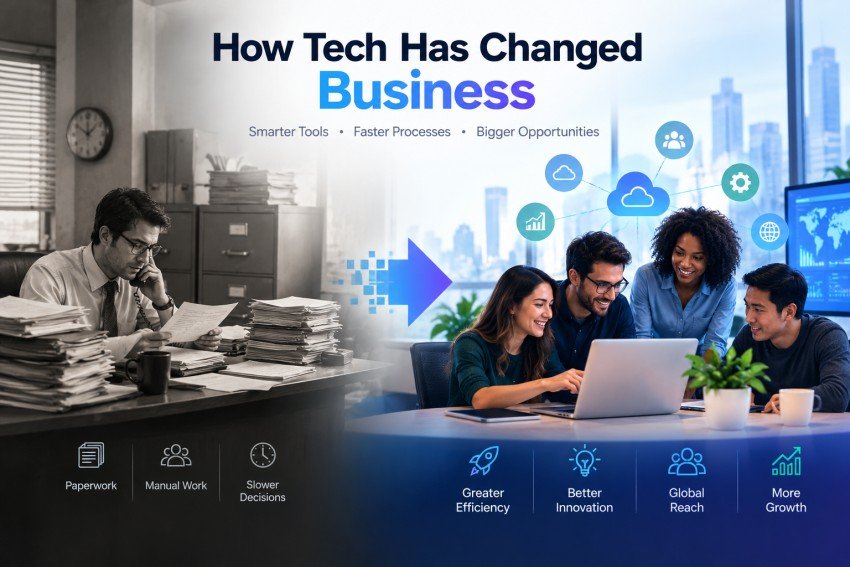
As technology transforms nearly every aspect of modern life, the art world stands at a unique crossroads. For centuries, original art has represented the pinnacle of human creativity—crafted by hand, shaped by emotion, and deeply tied to culture. But in today’s digital-first environment, where artificial intelligence tools, virtual galleries, and online marketplaces have reshaped artistic expression, many wonder: What does the future hold for original art?
Surprisingly, rather than diminishing its importance, the rise of technology is creating a new renaissance for original artwork. Collectors, creators, and enthusiasts are discovering innovative ways to create, share, and appreciate authentic art, proving that originality still holds immense value—even (and especially) in a world flooded with digital content.
This article explores how original art is evolving within a technology-driven era, how authenticity continues to stand out, and why platforms offering original art for sale online are shaping the future of creativity.
Technology as a Gateway, Not a Replacement
When AI-generated images and digital graphics began gaining popularity, some feared they would overshadow traditional forms of art. Instead, the opposite is happening. Technology is acting as a gateway—introducing new audiences to creative worlds and deepening their appreciation for authenticity.
1. Digital Platforms Expand Artist Reach
In the past, artists relied on galleries, exhibitions, or word of mouth to gain visibility. Today, one post on social media or an online art marketplace can introduce their work to millions. Artists no longer need formal representation to build a following. Through digital channels, painters, sculptors, textile artists, and mixed-media creators now interact directly with global audiences.
This shift has increased demand for original art for sale online, as collectors increasingly value pieces with a unique story and a human touch.
2. VR and AR Transform the Viewing Experience
Virtual reality and augmented reality now allow art lovers to explore galleries without leaving their homes. From immersive museum tours to virtual “try before you buy” features that place art on a customer’s wall using a phone’s camera, the art-buying experience is becoming more interactive and personalized.
This technological evolution helps bridge the gap between digital convenience and physical authenticity, giving original art a stronger platform than ever before.
Authenticity as the New Luxury
With the rise of AI-generated content, authenticity has become a form of luxury. In a world where visuals can be produced in seconds, handcrafted work carries even more emotional and artistic weight.
1. Human Imperfection Equals Artistic Value
While digital tools produce clean, algorithmically perfected visuals, original art showcases imperfections—brush strokes, texture variations, color inconsistencies—that reveal the human hand behind the piece. These elements are impossible to replicate synthetically with the same emotional resonance.
Collectors now recognize this distinction and actively seek pieces that feel personal, real, and expressive.
2. Storytelling Enhances the Artwork
Every original artwork carries a story: the artist’s background, the inspiration behind the piece, the technique used, and the emotion infused in the work. Technology helps artists share these stories more effectively through videos, blogs, livestreams, and interactive content.
Buyers feel more connected to the creator, and this connection significantly increases the perceived value of the artwork.
Hybrid Creativity: Where Traditional and Digital Meet
One of the most exciting trends in the future of original art is hybrid creativity—a space where traditional techniques merge with digital innovations.
1. Mixed-Media and Tech-Enhanced Art
Artists increasingly use tablets for early sketches but finish their pieces with paint or ink. Others incorporate 3D printing into sculpture, use projection mapping on canvases, or merge photography with hand-painted details.
This blending allows artists to expand their creative boundaries while still producing authentic, original work.
2. AI as a Collaborative Tool
While AI cannot replace human creativity, many artists use it as a starting point for ideas, color palettes, or composition experiments. The resulting artwork remains fully original but is enhanced by technology—similar to how digital cameras enhanced photography rather than replacing it.
The Marketplace Revolution: Buying Art in a Digital Age
Technology has not only changed how art is created—it has dramatically transformed how it’s bought and sold.
1. Global Online Marketplaces Empower Artists
Artists once reliant on local galleries can now reach buyers across continents. Platforms featuring original art for sale online attract collectors searching for unique pieces without geographical restrictions.
This democratization has enabled both emerging and established artists to grow their careers independently while offering buyers a more diverse selection.
2. Blockchain and Certificates of Authenticity
The future of art ownership lies in verifiable authenticity. Blockchain technology offers tamper-proof certification, ensuring that each piece is unique and recorded permanently. Even physical paintings can be registered on blockchain platforms for added security.
This protects both artists and buyers, making online art transactions more trustworthy.
3. Micro-Collectors and Affordable Art
Online storefronts have created a new class of art buyers: micro-collectors. These are individuals who may not have the budget for high-end galleries but regularly buy smaller or mid-priced artworks online.
This trend not only supports artists financially but also expands the culture of art appreciation.
The Emotional Future of Original Art
Even with rapid technological advancements, emotional resonance remains at the heart of art. No machine can replicate the intention, vulnerability, or lived experience embedded within original pieces.
1. A Human Connection in a Digital World
In an age dominated by screens, people crave tangible, meaningful experiences. Original art provides a sense of grounding—a reminder of human creativity and emotional depth.
2. Art as a Wellness and Lifestyle Essential
As wellness-driven living becomes more mainstream, original art is increasingly seen as a tool for emotional balance. Homes, offices, and public spaces benefit from unique works that inspire calm, energy, creativity, or reflection.
This cultural shift will ensure the continued growth of the art market well into the future.
Conclusion
The future of original art in a technology-driven era is not a replacement of tradition—but an evolution of it. Technology enhances the artist’s ability to create, communicate, and connect with audiences on an unprecedented scale. As digital tools become more sophisticated, the demand for authentic, handcrafted work will continue to grow. Platforms offering original art for sale online will remain an essential part of this transformation, bridging digital convenience with artistic authenticity.
Ultimately, original art will thrive—not in spite of technology, but because of it.
FAQs
1. Is original art still valuable in the digital era?
Absolutely. The rise of digital content has made authentic, handcrafted art even more desirable to collectors.
2. Where can I find original art for sale online?
Many online marketplaces, artist websites, and virtual galleries offer original artwork directly from creators worldwide.
3. Does technology help artists or replace them?
Technology enhances artistic processes but does not replace human creativity, emotion, or expression.
4. Will AI-generated art impact the value of traditional art?
AI art may influence trends, but original handmade artworks remain uniquely valuable due to their authenticity and human connection.

Read Dive is a leading technology blog focusing on different domains like Blockchain, AI, Chatbot, Fintech, Health Tech, Software Development and Testing. For guest blogging, please feel free to contact at readdive@gmail.com.