
By 2026, the world of multimodal AI models is transforming the human-technology interaction so rapidly that one might think it is a sci-fi situation. The present and future top AI systems so far are the ones that can comprehend and produce through text, pictures, sound, videos, and structured data, while only moving far from the old days of text-only systems. The already developed and upcoming AI features, such as multimodal AI, are slowly becoming the driving force behind the next-generation applications and services that enterprise and consumer markets have already thrown their weight behind.
The most important factor for multimodal AI is the capability of models to handle and make inferences on multiple data types at the same time, for instance, the image is interpreted, the voice command is listened to, and the video content is analyzed while simultaneously generating coherent responses that envelop all these signals. The latter is a great deal and represents a radical change in AI technology, as the previous generations operated under a single modality restriction, text-only large language models (LLMs) being one of the examples.
State of the Art in 2026
The tech industry leaders and research laboratories are not satisfied with the current state of the art and keep pushing the limits of multimodal capabilities. Out of the many deep-tech competitors, Google’s Gemini 3 family is one of the few in the market that offers such an advanced native multimodal model that can interpret and generate text, images, audio, and video with deep reasoning and contextual awareness. OpenAI’s GPT-5 and GPT-5.1 series keep the trend going, allowing users to enjoy smooth interactions through products like ChatGPT and shared virtual assistants. On the other hand, open-source initiatives such as Qwen3-Omni show how developing and experimenting with mixed/multimodal architectures is becoming more and more common among the developer and researcher communities.
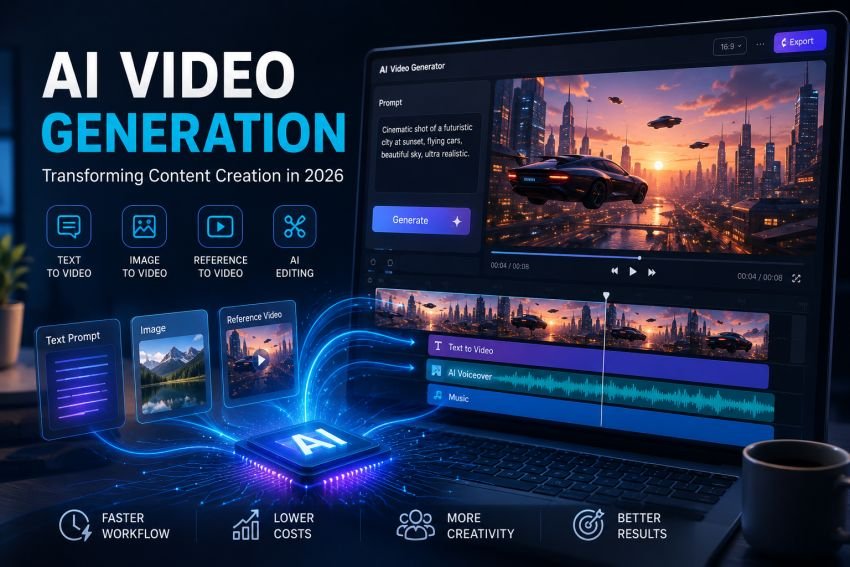
Large language models are not the only ones laying the foundation for this monumental change, as certain tools like Google’s Veo text-to-video model are also playing an important part in it. The latter is an example of how fast the creative AI domain is growing, capable of creating high-quality video content from simple prompts.
Innovations in Reasoning and Interaction
One of the main characteristics of 2026 is the evolution from simple multimodal perception to true multimodal reasoning, systems that not only acknowledge the inputs but also combine them for greater understanding and decision-making. For example, the new agent frameworks can monitor a live feed, identify abnormal situations, pay attention to audio cues, and refer to manuals or databases to find out what is wrong in real time.
This unified reasoning is a game-changer for many sectors, such as using AI in autonomous robotics that can see and hear to find their way around or using AI in hospitals that can read images and patient files for diagnosis.
The Real-World Applications and Adoption
The impact of Multimodal AI is already noticeable in various industries such as:
- The creative industries harness AI for making whole videos, editing, and producing absorbing content.
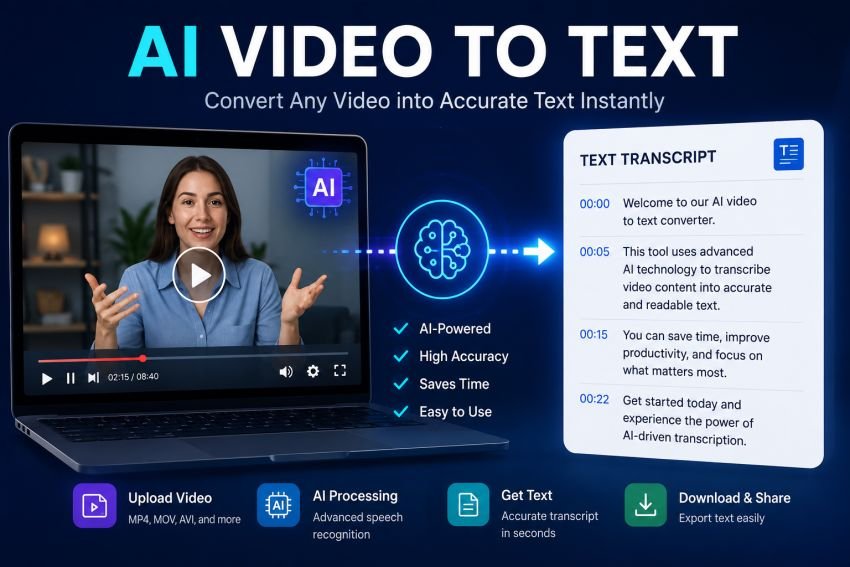
- Corporate AI tools take advantage of multimodal understanding in areas of search, document analysis, and customer service, leading to the creation of smarter solutions.
- Commercial appliances are using multimodal assistants that allow consumers to interact with apps and AR/VR interfaces in daily life through voice, gestures, and visual cues.
And indeed, experts foresee that 40 % of generative AI technologies will be multimodal by 2027, which indicates a rapid acceptance and usage of these technologies that is already happening in just a few years.
Challenges and Considerations
While these developments have been remarkable, some questions still need to be addressed. The use of multimodal models still implies heavy computational requirements, which are not only problematic from the standpoint of environment-friendly operations but also raise concerns related to the speed of computations and computing power accessibility. Additionally, research indicates that such models may be limited in dealing with intricate reasoning, particularly in the scientific or very technical domains, thus making it essential to have human intervention in the case of critical tasks.
On top of this, there are ethical dilemmas such as privacy, deepfake generation, and bias in multimodal contexts that need to be addressed. The simultaneous interpretation and generation of different types of media by models make it more necessary than ever to have responsible use and strong protections in place.
The Road Ahead
By the year 2026, multimodal AI will have become an established paradigm that no longer belongs to the realm of sci-fi but is rather present in technology and society as a pioneering field. The maturing of these models alongside the continued enhancement in terms of reasoning, efficiency, and the ability to integrate with different platforms will lead to a situation where the digital world will be completely transformed in terms of our work, creativity, and interactions. The next big step will probably center on the dimensions of human-like understanding, real-time autonomy, and seamless multimodal experiences that are present through the different devices and applications in a person’s daily life.

Read Dive is a leading technology blog focusing on different domains like Blockchain, AI, Chatbot, Fintech, Health Tech, Software Development and Testing. For guest blogging, please feel free to contact at readdive@gmail.com.