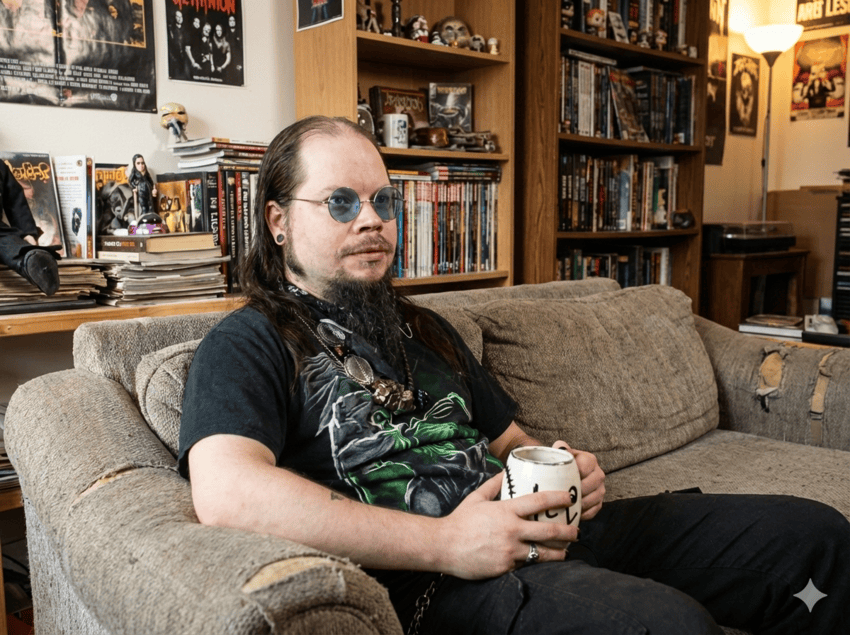
For years, there was something oddly compelling about watching a creator who existed entirely outside the polished norms of internet fame. The appeal wasn’t slick production or carefully managed branding—it was rawness, unpredictability, and the sense that anything could happen at any moment. At his peak, KingCobraJFS embodied that chaotic authenticity. His streams felt less like performances and more like unfiltered windows into a strange, self-contained world. But somewhere along the way, the energy shifted. The grin that once accompanied the rambling monologues, sarcastic rants, and DIY projects slowly disappeared, replaced by something heavier and harder to ignore.
This article explores how that spark faded—not as a single dramatic collapse, but as a gradual erosion shaped by internet culture, personal stagnation, and the unforgiving nature of long-term online exposure.
The Early Appeal: Authenticity Over Artifice
What originally drew viewers in was not success in the traditional sense. There was no meteoric rise, no viral breakthrough that suddenly changed everything. Instead, the appeal was consistency. Streams happened regularly. Opinions were shared freely. Everyday routines became content simply by virtue of being broadcast. The audience wasn’t tuning in for high-quality entertainment; they were tuning in for honesty, however uncomfortable that honesty could be.
In the early years, there was also a sense of enthusiasm. Even when circumstances were clearly limited, there was pride in self-expression. Whether talking about music, personal philosophies, or daily annoyances, the creator seemed genuinely engaged. That engagement translated into a kind of secondhand enjoyment for viewers. The smile—sometimes literal, sometimes figurative—was a signal that, despite everything, there was still joy in the act of creating.
When Routine Becomes a Rut
Over time, however, consistency began to morph into repetition. The same stories were told again and again. The same conflicts resurfaced with little variation. What once felt like comfortable familiarity started to resemble creative stagnation. For long-term viewers, there was a growing sense of déjà vu—nothing truly new was happening, and nothing seemed likely to change.
This is one of the great dangers of long-running internet personas built on daily life. When personal growth stalls, content stagnates alongside it. Without new experiences, challenges, or goals, the well inevitably runs dry. The enthusiasm that once fueled streams becomes harder to summon, and the audience can sense that fatigue almost immediately.
The smile doesn’t vanish all at once. It fades in small moments: longer silences, more visible irritation, less excitement about topics that once inspired passion.
The Weight of the Audience
Another crucial factor in the loss of spark is the relationship between creator and audience. Early on, viewers often feel like supporters—or at least observers—of a unique personality. As time goes on, that relationship can sour. Irony replaces curiosity. Mockery replaces engagement. The comment sections and live chats become less about conversation and more about provocation.
Being constantly watched is one thing. Being constantly judged is another. When every action is clipped, dissected, and shared elsewhere, self-consciousness creeps in. Defensive behavior becomes common. Jokes are replaced by irritation. The creator stops experimenting because experimentation invites criticism.
For someone whose content was built on openness, that shift can be devastating. It’s difficult to smile when you feel surrounded by people waiting for you to fail—or at least to provide another moment they can laugh at rather than laugh with.
Internet Time Is Unforgiving
The internet moves fast, but it also has a long memory. Creators who don’t evolve are often left behind, yet they’re never fully forgotten. They exist in a strange limbo where they are no longer relevant in the mainstream sense but are still endlessly referenced, archived, and analyzed.
In this environment, aging online can feel like being stuck in amber. Early mistakes never fade. Old clips resurface constantly. Growth, if it happens at all, is often ignored because it conflicts with the established narrative people prefer to believe.
For a creator like KingCobraJFS, whose persona was cemented years ago, breaking free from that narrative may have felt impossible. When you’re known for a specific version of yourself, changing can feel like betraying the very thing that gave you attention in the first place.
Burnout Without the Safety Net
Burnout is not exclusive to corporate jobs or high-powered careers. In fact, it can be even more severe for independent creators who lack structure, support, or clear boundaries between work and life. Streaming from home, turning daily existence into content, and dealing with unpredictable income creates a perfect storm for mental and emotional exhaustion.
Unlike creators backed by teams or platforms, there’s no built-in safety net. No mandated breaks. No creative directors suggesting new directions. When motivation drops, there’s often nothing to catch you before you hit the bottom.
The loss of spark, then, isn’t just about boredom or audience pressure. It’s about depletion. When giving becomes habitual and receiving feels hollow, enthusiasm has nowhere left to grow.
The Smile as a Symbol
The disappearance of the smile matters because it represents more than mood. It’s a symbol of agency. Smiling on camera—especially in an unpolished, unscripted environment—is a sign that the creator still feels some degree of control, enjoyment, or purpose.
When that expression vanishes, viewers sense it immediately. Streams feel longer. Conversations feel forced. Even moments meant to be humorous carry an undercurrent of frustration or resignation.
This doesn’t mean the creator has no value left or nothing more to offer. But it does suggest that the original relationship between person, platform, and audience has broken down in some fundamental way.
Could the Spark Return?
The internet loves comeback stories, but they require change—real change, not cosmetic adjustments. That might mean stepping away entirely. It might mean redefining what content looks like, or even abandoning the idea of constant broadcasting altogether.
The hardest part is that reclaiming joy often requires doing things that don’t immediately translate into content. Growth happens off-camera. Smiles return when life feels fuller, not when views spike.
Whether or not that happens is ultimately a personal matter. But the story so far serves as a cautionary tale about what happens when authenticity is stretched too thin and routine replaces inspiration.
In the end, the decline isn’t just about one creator. It reflects the broader reality of online life: the internet can give attention, but it rarely teaches how to sustain happiness once that attention becomes routine. The story of KingCobraJFS is a reminder that behind every persona is a human being, and behind every vanished smile is a complex mix of pressure, exhaustion, and unmet needs.
FAQs
Q1: What does “losing his spark” mean in this context?
It refers to the gradual loss of enthusiasm, creativity, and visible enjoyment that once defined the content.
Q2: Is this decline unusual for long-term internet creators?
No. Many creators experience burnout or stagnation, especially when their content is closely tied to daily life.
Q3: Can an online creator recover after losing momentum?
Yes, but recovery usually requires meaningful change, time away, or a redefinition of goals rather than minor adjustments.

Read Dive is a leading technology blog focusing on different domains like Blockchain, AI, Chatbot, Fintech, Health Tech, Software Development and Testing. For guest blogging, please feel free to contact at readdive@gmail.com.