
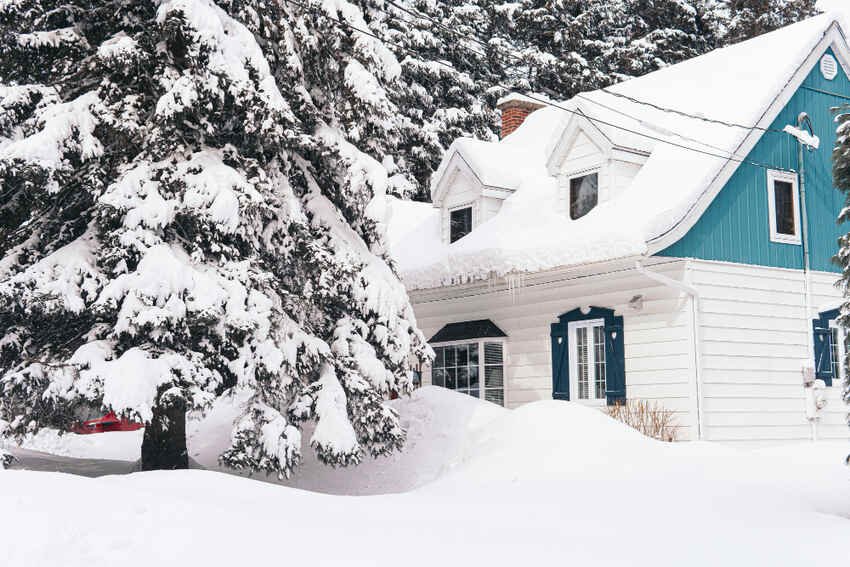
“Much of southern New England was under the winter weather with over a foot of snow in parts of eastern Massachusetts.” This statement, although a part of the early 2026 winter, is not uncommon at all.
Year after year, Massachusetts winters have been characterized by icy sidewalks and sudden temperature swings. Homeowners must face unique seasonal challenges as pipes are at risk of freezing and snow starts piling on roofs.
To keep your home protected, shoveling snow isn’t enough. You must also ensure that your insurance keeps up. This article will share four ways to winter-proof your home insurance in Massachusetts. They will help you stay ahead of the cold-weather chaos.
Review Your Dwelling Coverage
If you notice your homeowners’ insurance, there will be something written down as Coverage A. It is this part of your policy that protects the physical structure of your home. In simple words, it refers to the insurance money your company will pay to repair or rebuild your house in case of any damage.
Massachusetts homeowners are feeling the weight of rising insurance costs and claim severity firsthand. In 2024, insureds from the state paid nearly $3.9 billion in homeowners‘ premiums. The figures went up around 12.7% from the year before. This was due to a cost increase in terms of materials and labor.
Since all of this affects how much your insurer will pay for repairs, the first step in winter-proofing your coverage must be a thorough dwelling review. After all, as the Berlin Insurance Group shares, your home is likely one of your biggest investments. Before winter hits, review and update your dwelling coverage.
Here are some tips to get it right:
- Make sure your dwelling limit is based on full replacement costs, not what you paid for the house.
- Update the limits if you’ve carried out renovations or added new space.
- Compare estimated costs with the current labor and construction rates.
This proactive check is one of the most practical winter home insurance tips MA homeowners can apply to avoid underinsurance. The latter is particularly crucial when cold weather and costly repairs collide.
Clarify Water Damage Coverage
Those from Massachusetts know what a nuisance water issues can be, especially during the winter. This has to do with the freeze-thaw cycles of the erratic temperatures characteristic of the place.
Even state insurance reports religiously point out water damage and freezing to be the leading causes of homeowners’ claims. Before pipes burst and ice dams leak, ensure you understand this part of your home insurance policy.
In general, the following should be covered:
- Burst pipes caused by sudden freezing
- Unexpected plumbing system failures
- Interior water damage from ice dams, as found in many cases
Long-term leakages and flooding caused by melting snow or surface water are not usually covered. To be certain that there are no gaps, you can ask about water backup coverage. A step further would be a separate flood insurance policy. In any case, your policy should be based on real seasonal risks, not merely assumptions.
Strengthen Liability Protection
Home damage alone? Well, winter hazards across Massachusetts are capable of even sending people flying. According to a 2025 analysis of more than one million property and liability claims, slip and fall injury claims accounted for 20% of the payouts.
These naturally tend to be costly for insurers and homeowners alike. That means your liability coverage is a real protection against winter-season costs. So, what are the common scenarios you may encounter? These may include:
- A guest slipping on an icy front walk
- A delivery driver falling on untreated steps
- Ice chunks breaking off the roof and injuring someone
- A heavy tree limb snapping and hurting a neighbor
Standard homeowners’ liability limits can quickly be eaten up by medical bills and legal costs. This is especially true of serious injuries. To winter-proof this part of your home insurance, you can start by increasing your personal liability limit.
Perhaps ask for an umbrella policy that offers broader protection. Finally, snow may be seasonal, but accidents and lawsuits are not. So, keep walkways clear and treated throughout winter.
Check ‘Loss of Use’ and Vacancy Rules
Beyond damaging walls, winter storms can also displace you. This may happen suddenly, but when it does, the bills don’t seem to stop. That’s where loss of use coverage kicks in. This part of your homeowners’ policy helps pay for temporary housing and meals. It may even cover additional costs that arise when your home is uninhabitable due to covered damage.
The 2025 US Home Trends Report discovered that the overall homeowners’ liability costs rose by 5.5% in 2024. The loss severity has gone up by nearly 19% year-after-year. This is a sign that, besides property repair, even the claims related to living away from home are becoming costlier.
Wondering how to winter-proof this coverage? Well, here’s what you need to check:
- Duration limits, which generally means the number of days your insurer will pay
- Dollar caps, as in, will lodging costs across Massachusetts be realistically covered?
- Covered expenses, as some policies cover stays similar to Airbnbs, whereas others don’t
On that note, here’s a bonus tip for you to consider. If you will be away from your home for extended periods (seasonal travel), inform your insurer. Many policies have strict vacancy rules, requiring regular inspections and heat maintenance. Failing to meet these requirements may lead to coverage reduction or even denial.
Winter in Massachusetts can indeed hit hard. So, consider temporary heating solutions to prevent pipe bursts during vacation. Document home renovations with photos for quicker claims. Most importantly, bundle seasonal inspections with your insurer to qualify for discounts.
Don’t forget that even small steps make a world of difference. In these simple yet effective ways, you will turn your home insurance from a passive safety net into a strategy dynamic enough to tackle the unpredictable New England cold.

Read Dive is a leading technology blog focusing on different domains like Blockchain, AI, Chatbot, Fintech, Health Tech, Software Development and Testing. For guest blogging, please feel free to contact at readdive@gmail.com.