Urban traffic used to be about cars, lights, and a clock on the dashboard. Today, it is a moving web of sensors, apps, and algorithms quietly deciding how you move. When life already feels heavy, this invisible layer of tech can either calm your world or add more chaos. Understanding it is the first step toward feeling safer and more in control again.
Real risk now often lives in the gaps between human habits and digital systems. A driver is trusting the navigation voice a little too much. A pedestrian assumes every car has automatic braking. A cyclist believes everyone can see them because they have a bright app-connected light. The danger is not just speed or weather. It is misplaced confidence in tools we do not fully understand.
Navigation Apps And The New “Shortcut” Traps
Navigation apps are brilliant when you are late, lost, or tired. They see patterns in traffic that no single driver could ever catch. Yet they also funnel stressed drivers into side streets that were never meant for heavy flows. That quiet residential road near the school can turn into an unofficial highway in seconds.
Micromobility, Blind Spots, And Human Reaction Time
Electric scooters, delivery bikes, ride-share pickups, and food courier motorbikes all share the same narrow urban space. They accelerate fast, stop abruptly, and often appear from angles traditional driver training never prepared you for. Your mirrors alone are no longer enough.
Most people assume their reaction time will save them. In reality, by the time your brain processes a scooter cutting across two lanes to reach a side street, milliseconds are already gone. High-end drivers quietly add layers of low-effort protection. Wider mirror checks at lower speeds. Subtle increases in following distance in areas crowded with delivery hubs. Slowing slightly earlier when you see clusters of scooters at intersections.
In Car Tech That Helps, And Tech That Distracts
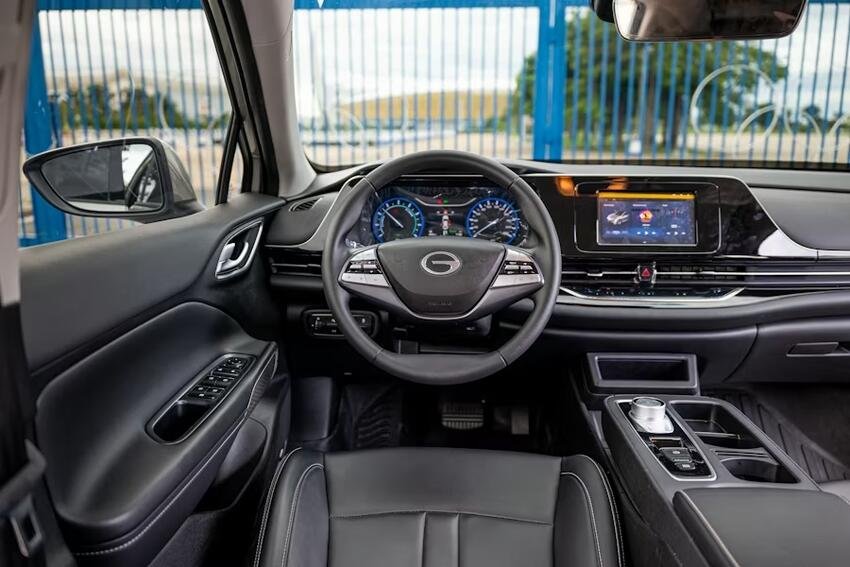
Modern cars are full of safety technology. Lane keeping, blind spot alerts, parking sensors, and automatic braking can genuinely prevent collisions. The problem starts when the screen in the middle becomes more captivating than the world outside the glass. Tapping through menus to adjust playlists or climate controls pulls your attention into a glowing rectangle at the worst possible time.
When Something Goes Wrong In A High-Tech Crash
Crashes in connected cities are rarely simple anymore. Cameras, traffic sensors, app logs, dashcam footage, and vehicle data all tell parts of the story. That can feel overwhelming when you are already exhausted and afraid. Yet it is also an opportunity for fairness, because digital traces can show what really happened even when memories are foggy.
If you are navigating injuries, medical bills, and complicated reports, it can be reassuring to work with a skilled car accident attorney who understands how to interpret the digital evidence in your favor. Think of it as assembling a clear, factual narrative from scattered tech crumbs. The emotional part is still real. But you do not have to carry every detail alone. When you understand the hidden risks and tools of urban traffic, you move through the city with a little more calm, even on the hardest days.

Read Dive is a leading technology blog focusing on different domains like Blockchain, AI, Chatbot, Fintech, Health Tech, Software Development and Testing. For guest blogging, please feel free to contact at readdive@gmail.com.