
Warm water is an essential part of a household, but many might not pay attention to the appliance until it breaks down. Sometimes, the older heaters aren’t producing consistent hot water, and this makes daily tasks like cleaning challenging.
Many people also need their warm showers in the dead of a winter month, so if you’re looking to upgrade, now is the right time to do so. Once you realize that the performance is slipping, you may want to look for alternatives that can help you save more money.
This is where heat pump water heaters are going to help. They are becoming popular in many households because they can reduce many people’s household expenses. What’s more, they have tax credits if you purchase a unit that’s qualified to join a certain program. You can go to www.hotwater.com/federal-tax-credit-for-heat-pump-water-heaters for more guidance about this and see the different brands available.
How Heat Pump Systems Work?
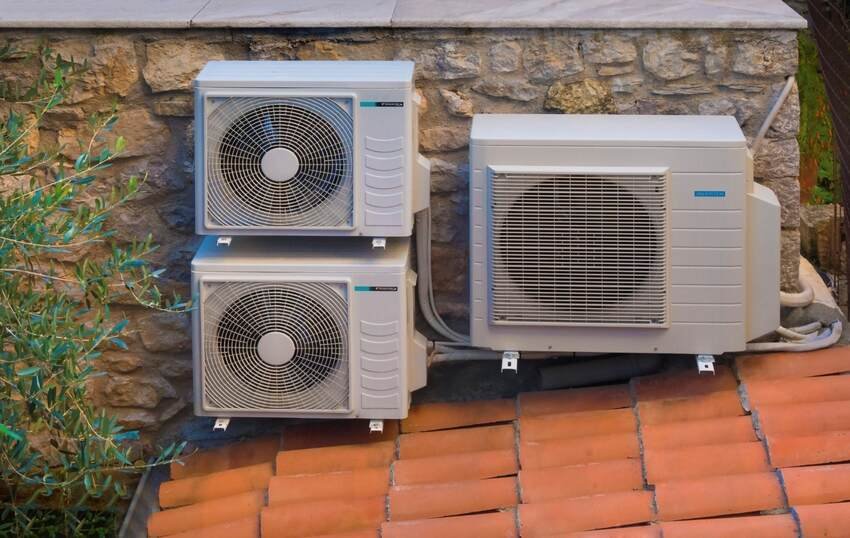
These systems work differently from the traditional tank-type gas models. Instead of generating heat through fuel, the heat pump converts the warmth in the surrounding air and transfers it into the water. It’s going to take less energy because the heat is already in existence, rather than needing to create new heat by constantly drawing electricity.
When you prefer these approaches, these units are going to result in lower operating costs. This can also result in better temperature regulation, and the newer systems have quieter operations, resulting in better comfort at home.
Why Are Homeowners Switching to Them?
The reason why many choose heat pump technology is that it’s just efficient in general. For the traditional tanks, the fuel should run continuously to maintain warm water even if it’s not in use. Over time, this is going to result in higher utilities, but the heat pump model can avoid this from happening because it only works when necessary. See post about utilities when you go to this page.
Since they’re going to be installed by experts, the homeowners can also add enough insulation in order to prevent the heat from escaping. There are also units with advanced digital controls that can achieve precise temperature, so the water won’t be too scalding. With their better reliability, it’s going to contribute to a smoother experience.
Understanding the Federal Tax Credit
Tax credits that are equal to the 30% costs of the installation and the purchase unit can be applied to people who have upgraded their water heaters during a certain period. This is subject to caps depending on the type of unit bought. They also need to meet criteria that are set by the Consortium for Energy Efficiency, and the heat pumps are qualified for a higher credit cap.
It’s best to do your upgrade before December 31, 2025, because the tax credit is set to expire for the next year. Now is the time to buy the more efficient water heaters to lock in these incentives, and you can claim this using IRS (https://www.usa.gov/federal-tax-forms) Form 5695 to get the credits.
The amount that one can receive will generally depend on the model and whether the installation is aligned with the rules of the program. These credits are especially designed to promote the addition of efficient appliances that demonstrate that they can reduce energy usage in a home. It enables homeowners to get a newer system while saving money in the process, and some see this as an opportunity to replace their older tanks.
Practical Considerations Before Upgrading
If you’re in the process of selecting a unit, you need to have a thorough evaluation of your living space first. The placement of the system matters, so check if it’s going to be installed in your basement and prepare accordingly.
Assess the needs of the family and their daily water use, where if you have a lot of people in your home, you need a heat pump that can supply you with adequate warm showers at any time of the day. Smaller households may often prefer the compact-sized models as they’re more than sufficient for their needs.
Installation Factors that You Need to Know
Avoid enclosed areas if you plan to have a ducted unit and allow enough clearance to accommodate airflow. Also, the water heaters should have a utility room that can stay warm even if it’s chilly outside, and some pumps make a humming noise, so they’re not ideal near bedrooms.
For the condensate drains, you need to make sure that the water is draining properly, and you need to call a professional to meet the electrical requirements. Understanding them will make sure that the entire process is seamless and you can depend on your heater every single day. After you’ve done the switch to a heat pump model, you might notice a significant decrease in your utility bills each month, and they’re going to continue operating efficiently for years.

Read Dive is a leading technology blog focusing on different domains like Blockchain, AI, Chatbot, Fintech, Health Tech, Software Development and Testing. For guest blogging, please feel free to contact at readdive@gmail.com.