Remember when wellness was just living? You’d eat decently, move around, sleep when you could. No morning routines that looked like performance art. No guilt about not meditating at 5 AM.
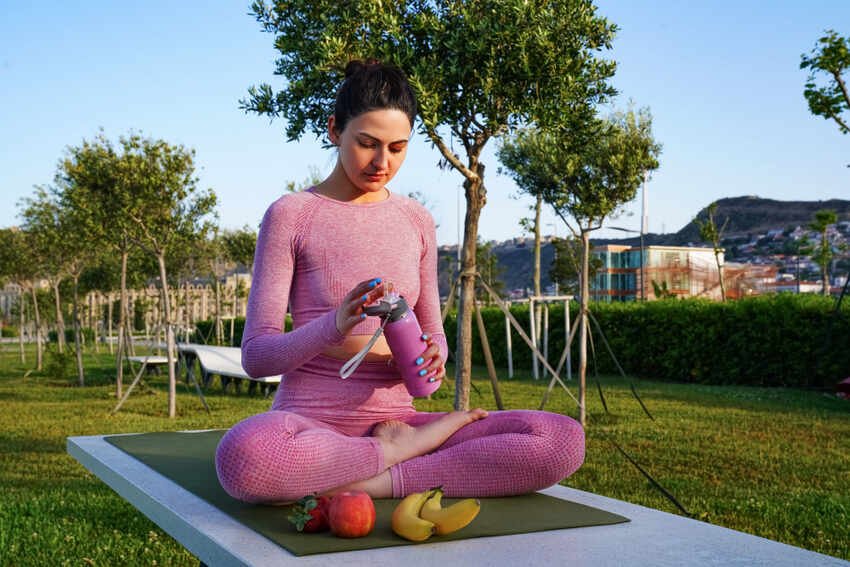
Now it’s everywhere. Your Instagram feed is full of people who apparently wake up glowing, already hydrated, mid-yoga pose before the sun’s even up. And if you’re just trying to make it to Friday, you start wondering what you’re doing wrong.
Here’s the thing though — real wellness looks nothing like that.
It’s messier. Slower. Way more boring. And completely different for everyone.
It’s not some 30-day challenge or perfect morning routine. Most of the time, it’s just small stuff you do without thinking too hard about it, stuff that actually makes sense for your actual life.
It Usually Starts With Tiny “Huh” Moments
Everyone wants wellness to start with some big dramatic wake-up call. Sometimes it does. But usually? It starts when you notice something small.
Like how terrible you feel after doomscrolling at 1 AM. Or how jittery you get running on coffee and anxiety. Or how certain people drain you completely while others don’t.
Nothing earth-shattering. Once you start noticing, things change a bit. Wellness stops being about copying what works for some influencer and more about what actually works for you.
Sometimes it’s almost embarrassingly simple: going to bed earlier, drinking actual water, taking a walk without your headphones in, saying no without writing a dissertation about why. None of it looks impressive on paper. But it changes how you feel.
The Stuff Nobody Posts About
When people talk about wellness, it’s always the visible stuff — gym sessions, smoothie bowls, skincare routines, productivity systems. That’s easy to show off. The emotional stuff? Not so much.
Life gets heavy in ways that don’t make good content. Work stress, family drama, money problems, messy relationships — it all piles up whether you’re ready or not. Most of us don’t really deal with it. We just get good at pushing through.
And pushing through isn’t the same as being okay.
When you ignore how you’re feeling, it leaks out everywhere: exhaustion that sleep doesn’t fix, snapping at people for no reason, brain fog, that weird heaviness you can’t explain. Sometimes you don’t realize how much you’re carrying until you actually stop moving.
Talking to someone feels weird at first, but also kind of relieving. If you find yourself feeling overwhelmed, stuck, or emotionally drained, it can be incredibly helpful to reach out to a therapist or counselor. Eventually, emotional wellness stops being about fixing yourself and more about understanding yourself without being such an asshole to yourself about it.
Your Space Actually Matters
We obsess over habits but ignore where we actually live. Your surroundings affect how you feel, whether you realize it or not.
Notice how different you feel in a messy, loud room versus somewhere calm and clean? It’s subtle, but it’s there.
Your home isn’t just where you sleep. It’s where you decompress, overthink, procrastinate, dream, and occasionally have small breakdowns. When your space is chaotic, it drains you in ways you don’t even register. When it feels right, it supports you without you thinking about it.
Sometimes it’s small changes — clearing off that chair, fixing the lighting, moving things around. Sometimes you realize you want a space that actually feels like you. When that clicks, design stops being about looking good and starts being about feeling good.
Some people choose to invest in an interior designer, creating a space that truly supports relaxation and balance.
When your environment matches how you want to feel, wellness stops feeling like work.
Most of It Happens in Totally Unremarkable Moments
There’s this myth that wellness requires some massive life overhaul. Really, most of it happens in completely mundane moments.
Cooking instead of ordering takeout again. Not immediately firing back in an argument. Silencing your phone for a bit. Choosing sleep over another episode when nobody’s watching.
None of this feels impressive. You don’t get a medal. But it adds up.
Over time, these moments shape how you think, react, and treat yourself. Wellness isn’t about becoming someone new. It’s about being more present, more grounded, and a little more honest with yourself.
Stop With the All-or-Nothing Thing
People quit on wellness because they think they’ve already failed.
They skip the gym. Break their streak. Fall back into old patterns. Suddenly everything feels pointless.
But wellness isn’t linear. Some days you’re on it. Other days you’re tired, emotional, or just not feeling it. That’s not failure — that’s just being a person.
Showing up matters more than being perfect. Coming back matters more than never leaving.
Eventually you realize wellness isn’t about rigid rules. It’s about having a relationship with yourself that isn’t built on guilt trips and self-punishment.
It Changes Because You Change
What wellness looks like at 25 won’t look the same at 35 or 45. Your priorities shift. Your body changes. Life gets more complicated.
Sometimes wellness means pushing yourself and chasing goals. Other times it means slowing down and protecting your energy.
There’s no one-size-fits-all answer. Just whatever makes sense for where you are right now.
And once you stop comparing yourself to everyone else, wellness becomes actually personal. Less about keeping up, more about checking in.
Not a Trend, Not a Destination
Trends die. Routines change. But how you relate to yourself — your mind, your body, your space — that sticks around.
Wellness isn’t something you complete and check off. It’s something you practice imperfectly, every day. It shows up in how you think, how you rest, how you talk to yourself, and how you build your life.
Maybe that’s the truth nobody really talks about: wellness isn’t dramatic. It’s slow. Subtle. Sometimes painfully boring.
But over time, those small, unremarkable choices become your life.
And honestly? That’s where everything actually changes.

Read Dive is a leading technology blog focusing on different domains like Blockchain, AI, Chatbot, Fintech, Health Tech, Software Development and Testing. For guest blogging, please feel free to contact at readdive@gmail.com.