
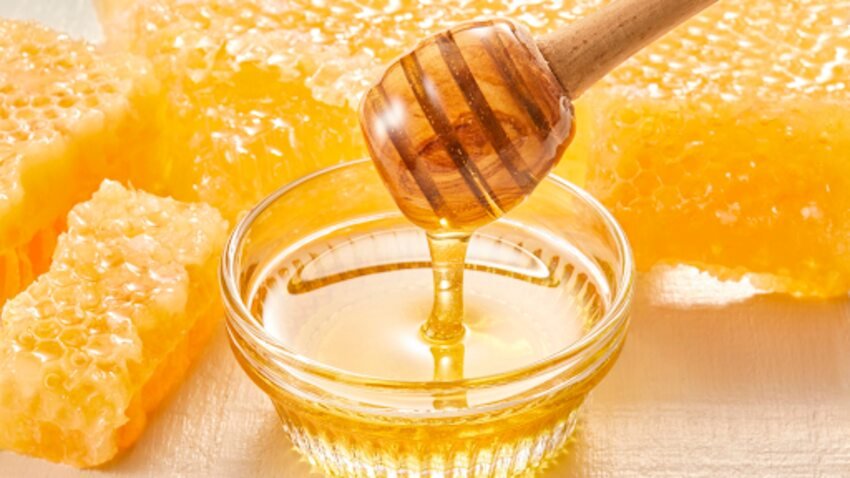
Something interesting is unfolding in homes throughout North America right now. More and more people are circling back to what earlier generations understood instinctively, that whole, natural foods deliver genuine health impacts. And within this movement toward authenticity, one amber-colored powerhouse keeps emerging as exceptionally pure and potent.
Maybe you’re tired of complicated supplement regimens or pricey wellness programs that promise everything and deliver little. If so, what you’re about to learn might change how you think about this natural sweetener and its place in your everyday routine.
The Unique Characteristics That Set Canadian Raw Honey Apart
Why does honey sourced from Canada stand apart from the typical bottles lining supermarket shelves? The distinction comes down to environment and approach.
Understanding Raw vs. Processed Honey
Here’s the critical distinction you need to grasp. The gap between raw honey vs regular honey fundamentally involves processing methods. Raw honey never experiences temperatures exceeding 95°F, which safeguards fragile enzymes, vitamins, and health-promoting elements that heat treatment obliterates.
Conventional honey undergoes intensive heating, aggressive filtration, and occasionally dilution. These steps create smooth consistency and prevent that natural crystallization process, yet they simultaneously eliminate the very compounds that make honey valuable for your health.
When you select canadian raw honey from artisan producers, you’re receiving honey that’s collected and bottled fresh directly at the farm, retaining every beneficial component nature intended.
The Canadian Food Inspection Agency enforces rigorous standards throughout honey production, and numerous Canadian beekeepers exceed these requirements through organic certification programs. This regulatory framework guarantees the purity of what reaches your table.
Canada’s Pristine Environment Creates Superior Honey
Canada’s harsh winters and isolated foraging territories provide bees with remarkably untainted nectar sources. Honey delivers carbohydrates naturally, offering 17 grams in each tablespoon for immediate energy.The nation’s unpolluted atmosphere, limited pesticide contamination, and expansive wildflower meadows establish perfect circumstances for nutrient-rich honey production.
Whether we’re talking about British Columbia’s maritime blooms or Alberta’s sprawling clover expanses, every territory imparts distinctive qualities to its honey. This geographical variety ensures you’re accessing different plant compounds and trace minerals unique to Canadian landscapes.
Comprehensive Nutritional Profile of Canadian Raw Honey
Let’s break down what actually exists within this golden substance that makes it worth your attention.
Macronutrients and Natural Sugars
Raw honey nutrition delivers natural sugars such as primarily glucose, fructose, and maltose, that your system metabolizes quite differently compared to refined white sugar. Raw honey’s glycemic index sits lower than table sugar, translating to gentler blood sugar fluctuations.
You’re looking at roughly 64 calories per tablespoon. Calorie-dense? Absolutely. But nutrient-dense too, which changes everything. Unlike hollow calories from processed sweeteners, honey provides energy bundled with compounds your body actually uses.
Micronutrients and Bioactive Compounds
Raw honey harbors all 22 amino acids, multiple B-complex vitamins, and essential minerals including calcium, iron, zinc, potassium, and magnesium. Darker varieties, buckwheat honey especially, contain substantially elevated antioxidant levels, sometimes doubling or tripling lighter varieties.
What matters most? Raw honey contains living enzymes like diastase and invertase that actively support your digestive processes. Pasteurization completely destroys these enzymes. That’s precisely why the raw designation carries such significance.
The polyphenols and flavonoids present in Canadian honey varieties deliver antioxidant protection comparable to celebrated superfoods. These compounds actively combat oxidative stress and inflammation throughout your daily life.
Science-Backed Health Benefits of Raw Honey for Daily Consumption
The health benefits of raw honey stretch far beyond serving as merely a superior sweetener option. Contemporary research keeps confirming what ancient healing traditions recognized long ago.
Immune System and Antimicrobial Protection
Raw honey naturally produces hydrogen peroxide, granting it substantial antimicrobial capabilities. Research demonstrates honey matches the effectiveness of certain over-the-counter cough treatments.This characteristic becomes particularly valuable when cold and flu season arrives.
Quality raw honey contains methylglyoxal, which can suppress antibiotic-resistant bacteria including MRSA and E. coli. Simply incorporating one to two tablespoons daily strengthens your immune system’s inherent defensive mechanisms.
Digestive Health and Energy Enhancement
Raw honey’s prebiotic oligosaccharides nourish beneficial gut bacteria like Bifidobacteria and Lactobacilli. This nurtures your digestive system’s overall health and potentially alleviates conditions like acid reflux or IBS.
Athletes and active people especially appreciate how honey delivers sustained energy lasting two to three hours. Forget commercial sports gels packed with synthetic ingredients, honey provides natural fuel your body immediately recognizes and efficiently utilizes. Consuming it 30-60 minutes before physical activity can meaningfully boost performance.
Blood Sugar and Metabolic Health
This surprises most people: despite its sweetness, raw honey may actually promote improved blood sugar regulation when substituted for refined sugar. Its chromium content assists glucose metabolism, and certain studies indicate honey might enhance insulin sensitivity with consistent use.
This doesn’t grant diabetics unlimited consumption, obviously. However, moderate quantities (under medical guidance) likely outperform refined alternatives for maintaining steadier blood sugar levels.
Sourcing Authentic Canadian Raw Honey
Maximizing health advantages requires selecting from trustworthy sources to guarantee you’re obtaining genuinely unprocessed products.
Where to Buy Canadian Honey
Where to buy Canadian honey carries nearly equal importance to choosing raw over processed varieties. Local farmers’ markets provide direct-from-beekeeper opportunities where you can discuss production approaches face-to-face. Most Canadian provinces maintain apiary registries connecting consumers with regional producers.
Online suppliers like Wendell Estate Honey deliver throughout North America, featuring award-winning varieties recognized at international honey competitions. Seek honey labeled “100% Pure Canadian Honey” displaying batch numbers and provincial origin clearly.
Specialty health stores typically stock premium Canadian brands, though expect prices ranging from $12-25 per kilogram based on variety and scarcity.
Identifying Quality and Authenticity
Authentic raw honey crystallizes eventually, this actually indicates quality rather than defect. The glucose naturally separates into crystal formations, easily reversed through gentle warming using warm (never hot) water.
Examine labels for certifications like “Canada No. 1” grade, organic certifications (COR, Pro-Cert), and beekeeper association memberships. Steer clear of honey listing additional ingredients or priced suspiciously cheap.
Texture should feel thick, and many raw varieties appear somewhat cloudy instead of crystal clear. This cloudiness originates from pollen and propolis remaining in unfiltered honey.
Supporting Canadian Beekeepers
Purchasing from Canadian producers like Wendell Estate advances sustainable beekeeping methods and helps safeguard pollinator populations. Many Canadian beekeepers maintain strict antibiotic limitations and prioritize colony wellness over maximum production volume.
Your purchase directly contributes to conservation initiatives addressing Colony Collapse Disorder while supporting families who’ve stewarded bee populations across generations. The Wendell family, specifically, has practiced beekeeping since the 1930s, bringing nearly a century of accumulated knowledge to their operation.
Final Thoughts on Adding Raw Honey to Your Routine
Incorporating Canadian raw honey into your daily habits provides exceptional nutritional value that processed alternatives simply cannot replicate. From sustained energy and immune reinforcement to digestive wellness and antioxidant protection, this natural superfood offers tangible advantages when consumed regularly.
Canada’s unspoiled environment, stringent quality standards, and traditional beekeeping practices combine to create something genuinely worth seeking out. Begin with just one tablespoon daily for thirty days and observe how your body reacts.
You may discover this straightforward addition becomes one of your most treasured wellness practices, and unlike fashionable supplements that appear and vanish, honey’s benefits stand validated by both centuries of traditional use and contemporary scientific investigation.
Common Questions About Canadian Raw Honey
Can I give raw honey to my baby?
Never provide honey to infants younger than 12 months due to botulism risk. After their first birthday, honey becomes perfectly safe and nutritious. Introduce small amounts initially and monitor for allergic reactions, though these occur rarely.
How much raw honey should I eat daily?
One to two tablespoons daily delivers health advantages for most adults without excessive sugar consumption. Athletes or highly active people might reasonably consume slightly more for energy requirements. Always account for honey’s calories within your complete dietary framework.
Does heating honey destroy all its benefits?
Heating beyond 95-105°F damages enzymes and diminishes beneficial compounds. You can gently warm crystallized honey using a water bath below this threshold. Adding honey to very hot tea reduces certain benefits but doesn’t eliminate them completely.

Read Dive is a leading technology blog focusing on different domains like Blockchain, AI, Chatbot, Fintech, Health Tech, Software Development and Testing. For guest blogging, please feel free to contact at readdive@gmail.com.