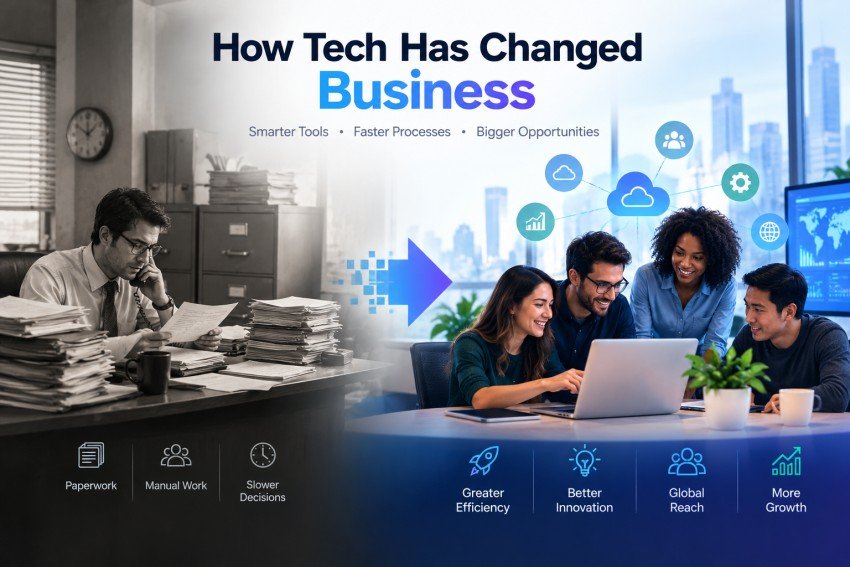

The energy sector is in the midst of one of its most profound transformations since the invention of the alternating-current (AC) grid itself. Fueled by affordable computing, ubiquitous connectivity and innovative software paradigms, traditional electrical networks are being redesigned into intelligent, automated systems that deliver energy more efficiently and responsively.
The EnergyTech Revolution
The ongoing automation evolution — often referred to as the EnergyTech revolution — fuses metering hardware, cloud computing, data analytics, decentralized networks and even decentralized finance principles to reimagine how power is produced, distributed and transacted.
At the heart of this transformation is Advanced Metering Infrastructure (AMI) — a suite of technologies that enable two-way digital communication between utilities and endpoints such as smart meters, sensors and distributed energy resources.
By extending beyond simple measurement into real-time data and automated control, AMI becomes the cornerstone of a smart grid, underpinning everything from demand response to predictive maintenance and dynamic pricing.
Below is a list of major EnergyTech players driving grid automation today.
1. TRC — End-to-End Intelligent Grid Systems
TRC has long been at the forefront of helping communities and enterprises navigate evolving energy and infrastructure landscapes. What began as a small meteorological and air quality analysis firm, The Research Corporation of New England, has grown into a global partner in engineering, consulting, construction and management — a trusted guide for utilities and organizations confronting the challenges of modern energy systems.
TRC’s approach to the intelligent grid combines technical rigor with innovation. Its team of tested practitioners works across the entire life cycle of AMI projects, from planning and system selection to data integration and ongoing operations. By connecting smart meters, distributed energy resources and operational technology into cohesive, cloud-enabled systems, TRC helps utilities gain precise insights into energy usage, streamline operations and respond proactively to demand changes.
The company’s solutions are designed for adaptability. As renewable energy and electric vehicles continue to expand, TRC ensures that meter data management systems (MDMS) and grid analytics are deployed with foresight, delivering actionable insights and operational intelligence to utilities. This includes monitoring upstream voltage trends, optimizing distribution networks, and integrating emerging technologies in ways that are both sustainable and cost-effective.
Safety, quality and regulatory compliance are foundational to TRC’s work. Its multidisciplinary teams bring expertise across civil, electrical and water infrastructure, as well as geotechnical analysis and software-enabled modeling. Whether supporting microgrids, substations or grid modernization initiatives, TRC’s practitioners deliver solutions that help utilities achieve reliability, efficiency and measurable long-term benefits.
Through a combination of experience, innovation and a forward-thinking perspective, TRC has established itself as a leader in shaping the energy systems of tomorrow — ensuring that utilities and communities alike can adapt and thrive in an era of constant change.
2. Energimine — Blockchain and AI Driving Decentralized Energy
Energimine is a pioneering platform leveraging blockchain and artificial intelligence (AI) to transform the way energy is produced, consumed and traded. By combining decentralized ledger technology with machine learning, Energimine enables transparent, efficient, and automated energy management systems that empower both businesses and consumers.
Energimine’s solutions are designed to create a more intelligent energy ecosystem. Through tokenized incentives, users can earn rewards for energy-saving behavior, while utilities gain actionable insights to optimize demand, reduce waste and integrate renewable sources. The platform’s AI algorithms analyze energy consumption patterns, predicting demand fluctuations and enabling smarter grid management.
Beyond consumer engagement, Energimine supports decentralized energy trading. Blockchain technology ensures secure, transparent transactions between prosumers, utilities and third-party energy providers. This approach democratizes energy markets, allowing smaller producers to participate in trading while maintaining operational efficiency and regulatory compliance.
Sustainability and resource optimization are central to Energimine’s mission. By encouraging energy efficiency and facilitating the integration of clean energy, the platform helps reduce greenhouse gas emissions and supports the transition to a low-carbon future. With its combination of AI, blockchain and data-driven insights, Energimine is shaping a decentralized energy landscape that is resilient, equitable and sustainable.
3. Powerledger — Peer-to-Peer Energy Trading Platforms
Powerledger is transforming the way energy flows through the grid by leveraging blockchain technology for peer-to-peer (P2P) energy trading. By enabling secure, transparent and automated transactions, Powerledger is helping the world transition from centralized energy systems to distributed, resilient grids.
Powerledger’s platform addresses the challenges posed by integrating renewable energy into the grid, including intermittency and congestion. Through a blockchain-based market, energy generation, storage and consumption are tracked in real time, allowing individuals, businesses and utilities to buy, sell and trade energy efficiently. This automation provides unprecedented visibility and control at the grid edge, making distributed energy management scalable and reliable.
The company’s technology has been recognized globally for innovation, including awards from the Renewable Energy Markets sector, the Extreme Tech Challenge led by Sir Richard Branson and recognition in Switzerland’s Crypto Valley. Its deployments have influenced regulatory frameworks, such as in India, where power utilities and governments now rely on Powerledger’s platform to monitor and trade every kilowatt-hour of energy.
Powerledger’s mission is to create energy markets that allow 24/7 access to renewable energy. By combining blockchain with data-driven automation, the platform ensures continuity in transmission and distribution while reducing exposure to conventional grid failures. This empowers ordinary consumers and corporations to optimize their renewable energy generation, storage and consumption, contributing to cleaner, more resilient energy systems.
The company’s culture emphasizes collaboration, accountability and rigorous execution, ensuring that solutions meet both operational and sustainability goals. Through its P2P trading platform, Powerledger is automating the grid, accelerating the adoption of renewables, and redefining the relationship between energy producers and users.
Why These Players Matter
The companies illustrate a core trend — the grid is evolving from a static network into a dynamic, automated and data-driven energy marketplace. The implications extend far beyond meter reading. Utilities and EnergyTech firms are now developing systems that:
- Facilitate real-time monitoring and control, enabling faster responses to outages and demand shifts.
- Integrate renewable and distributed energy resources, such as rooftop solar and battery storage.
- Enable dynamic pricing and load management to reshape how consumers interact with energy costs.
- Support P2P energy trading, ushering in models traditionally seen in fintech.
Taken together, these innovations empower utilities to rethink operational strategies while giving consumers greater transparency and control over their energy footprint.
How to Evaluate EnergyTech Solutions
Choosing the right EnergyTech solution can be challenging given the wide range of technologies and platforms available. From smart grid software and advanced metering infrastructure to electric vehicle charging networks and blockchain-based energy trading, understanding the most important factors helps organizations make informed decisions.
Here are key factors to consider when evaluating solutions that automate the grid, optimize energy use and support sustainability goals.
Define Grid Automation Goals
Organizations should first clarify their objectives for adopting an EnergyTech solution. Whether the goal is to modernize utility operations, optimize distributed energy resources, enhance energy efficiency in buildings or enable P2P renewable energy trading, defining clear priorities ensures the selected solution aligns with operational and sustainability needs.
Look for Proven Technology Platforms
Evaluate companies that offer tested and scalable technologies. Whether it’s advanced metering infrastructure, EV charging networks, blockchain-based energy trading or smart home energy devices, solutions should integrate seamlessly with existing systems and provide actionable insights for decision-making.
Check for Industry Reach and Adaptability
Consider how widely the solution is used — across utilities, municipalities, commercial operations or residential deployments. Companies with diverse adoption and adaptable platforms are more likely to support long-term needs as the grid evolves.
Leverage Advanced Metering Expertise
Organizations implementing AMI or smart grid technologies benefit from consulting with an Advanced Metering Advisor, who can guide the selection, deployment and integration of metering systems. Expert input ensures accurate data collection, optimized grid performance, and alignment with regulatory and sustainability goals.
Evaluate Data and Automation Capabilities
Grid modernization is increasingly data-driven. Look for companies that provide real-time monitoring, predictive analytics and automation tools to optimize energy flow, detect inefficiencies and enable smart decision-making across distributed networks.
Assess Sustainability and Regulatory Alignment
Modern EnergyTech solutions should support environmental goals and comply with local regulations. Whether reducing greenhouse gas emissions, integrating renewables or facilitating energy trading, solutions that align with sustainability objectives deliver both operational and social value.
Engage Specialized Advisors
Organizations benefit from consulting with smart grid advisors who provide strategic guidance on technology deployment, regulatory compliance and integration of advanced metering infrastructure. These experts help maximize operational efficiency and ensure long-term success in grid modernization projects.
Consider Support and Expertise
Beyond technology, strong advisory support, training and life cycle services help implement the solution effectively. Companies with deep industry expertise and guidance for integration, operation and future upgrades are valuable partners in grid automation initiatives.
Grid Automation Is Here
Energy infrastructure, once dominated by electromechanical systems and manual processes, is rapidly becoming a software-centric ecosystem. Grid automation, cloud-driven analytics and distributed technologies are enabling utilities to deliver energy more effectively.
Whether it’s through advanced metering platforms, real-time network optimization or decentralized energy marketplaces, the EnergyTech players listed are at the forefront of turning the grid into a programmable, intelligent network.
FAQs
What Should I Look for in an Advanced Metering Consulting Firm?
When selecting a consulting firm for AMI projects, prioritize comprehensive life cycle expertise, including system design, integration with existing infrastructure, analytics deployment, cloud and data management capabilities, and long-term maintenance strategies.
How Does Smart Metering Benefit Consumers?
Smart metering gives consumers real-time visibility into energy usage, supports energy saving through behavioral insights and can unlock access to dynamic pricing programs.
What Role Does Cloud Computing Play in Grid Automation?
Cloud platforms enable utilities to store, process and analyze vast datasets from grid endpoints, enabling predictive maintenance, demand forecasting and scalable analytics workflows.
Can Blockchain Change How Energy Is Traded?
Yes, blockchain enables decentralized trading platforms where participants can transact energy directly with one another using automated contracts and transparent settlement mechanisms.
Is Smart Grid Automation Only for Large Utilities?
No, advancements in modular software, cloud services, and interoperable technologies make it increasingly feasible for utilities of all sizes to adopt grid automation tools and smart metering solutions.

Read Dive is a leading technology blog focusing on different domains like Blockchain, AI, Chatbot, Fintech, Health Tech, Software Development and Testing. For guest blogging, please feel free to contact at readdive@gmail.com.