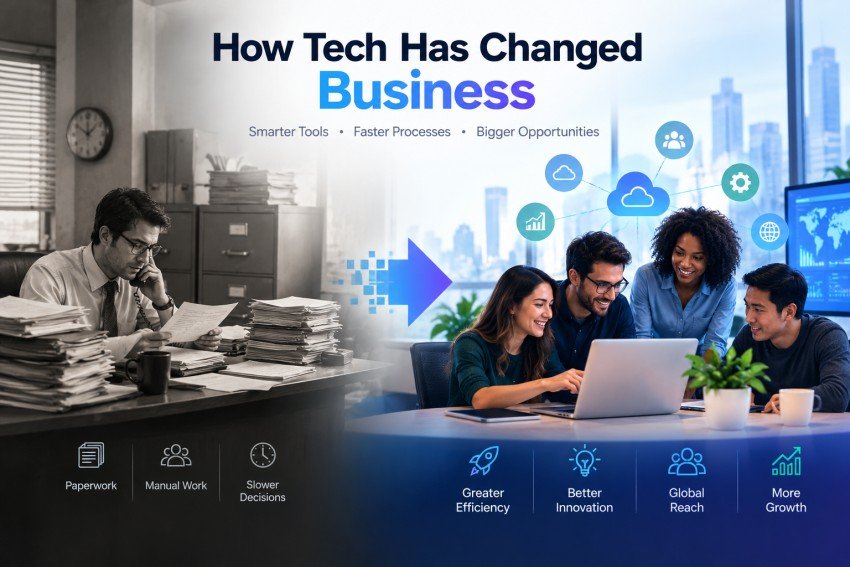

Digital transformation is no longer just about upgrading systems or migrating to the cloud. You’re reshaping how your organization works, serves customers, and empowers employees. One area that often determines whether your efforts succeed or stall is enterprise mobility. When done right, it connects your people, tools, and data in ways that feel seamless rather than forced.
You’ve likely already introduced mobile tools into your workplace. But integrating them strategically, so they support your broader digital transformation strategy, requires more than issuing devices or deploying apps. It calls for a deliberate approach to mobility services that aligns with your business goals and operational realities.
Bridging Operational Gaps With Enterprise Mobility Services
One of the most common challenges you face during digital transformation is fragmentation. Teams use different systems, field staff lack real-time access to data, and customer interactions become inconsistent. These gaps slow decision-making and create friction across your organization.
This is where enterprise mobility services step in. By integrating enterprise mobility solutions into your roadmap, you create a unified ecosystem where your mobile workforce can access tools, collaborate efficiently, and deliver consistent outcomes. These services connect front-end experiences with back-end systems, ensuring that your operations move as one rather than in disconnected parts.
With the right mobility solutions, you’re not just digitizing processes. You’re enabling smarter, faster, and more adaptive ways of working.
Designing a Mobility-First Strategy
To make mobility a core part of your transformation, you need to think beyond devices. It starts with understanding how your teams operate and what they need in real time.
Your approach should consider everything from IT device management to secure remote access, ensuring that employees can work productively without compromising security. Consistency and governance matter, whether you adopt a bring your own device policy or deploy company-owned hardware.
Equally important is the role of mobility services in streamlining daily workflows. For example, integrating a mobile point of sale system can transform how your sales teams engage with customers, while order status updates delivered through mobile platforms improve transparency and trust. When your systems talk to each other, your people can act promptly instead of wasting time chasing information.
Enhancing Accessibility and Inclusion
Mobility provides convenience and encourages inclusion. As you build out your roadmap, consider how your systems support accessible transportation and diverse user needs.
In sectors like healthcare, logistics, or public services, mobility services can incorporate accessibility options such as voice-enabled interfaces or augmentative and alternative communication tools. These features help ensure that qualified individuals, regardless of physical or communication challenges, can participate fully in your workforce or customer base.
You might also need to integrate tools that support adaptive equipment or specialized workflows tied to a mobility device. Beyond compliance, this step expands your reach and delivers better outcomes for everyone involved.
Building Smarter Customer Experiences
Your customers expect speed, clarity, and flexibility. Mobility plays a central role in delivering that.
Think about how a mobility application can simplify interactions. A well-designed app might include a trip planner, on-demand scheduling, and real-time updates, giving users more control over their experience. These features translate into better engagement and loyalty, particularly for a logistics firm or a mobility service business.
Behind the scenes, your customer service teams benefit too. Mobile tools allow them to respond faster, access accurate data, and maintain effective communication with customers. When your systems are integrated, even a field-based service technician can resolve issues on the spot without escalating delays.

Managing Assets and Sustainability
As your mobility footprint expands, so does the complexity of managing it. Devices, applications, and data all need to be tracked and maintained efficiently.
If you operate within or alongside an asset management business, integrating mobility tools can provide real-time visibility into equipment usage, performance, and lifecycle. This helps you optimize resources and reduce unnecessary costs.
Sustainability should also be part of your thinking. A well-defined sustainability policy can guide decisions around device recycling, energy use, and procurement. For instance, offering long-term rental options for devices can minimize waste while maintaining flexibility.
Supporting Collaboration in a Distributed Workforce
Remote and hybrid work are now part of the norm. But without the right tools, distance can quickly turn into disconnection.
Promoting collaboration is crucial, particularly among remote teams. Mobility services enable real-time communication, shared access to data, and seamless coordination across locations. Whether your employees are in the office, on the road, or working from home, they remain connected to the same systems and goals.
Features like secure messaging, cloud-based document access, and integrated workflows ensure that collaboration doesn’t depend on physical proximity. Instead, it becomes a natural part of how your organization operates.
Working With the Right Providers
Choosing the right partners can make or break your mobility strategy. Not all mobility service providers offer the same capabilities, so you need to evaluate them carefully.
Here are a few areas to focus on when assessing potential partners:
Scalability and Integration
Your provider should align with your long-term goals, not just your current needs. Look for solutions that integrate smoothly with your existing systems and can scale as your organization grows.
Product Selection and Ecosystem
A strong partner offers a wide product selection from quality brands, ensuring compatibility and reliability. This reduces the risk of fragmentation across devices and platforms.
Support and Customer Care
Reliable customer care is essential. Your provider should act as an extension of your internal team, whether it’s troubleshooting, updates, or training.
Taking the time to evaluate these factors ensures that your mobility investments deliver lasting value rather than short-term fixes.
Understanding the Growth of Mobility Services
The rise of enterprise mobility isn’t accidental but reflects broader shifts in how businesses operate. The global revenues from managed mobility services were valued at USD$ 15 billion in 2023. By 2028, it’s expected to rise USD$ 27.2 billion, owing to digital transformation and the rise of remote work arrangements, among other factors.
This growth signals a clear opportunity. As organizations invest more in mobility services, the expectations around performance, security, and user experience will continue to rise. Staying ahead means continuously refining your approach and embracing innovation where it makes sense.
Final Thoughts
Integrating mobility services into your digital transformation roadmap isn’t just a technical upgrade. It’s a strategic move that reshapes how your organization functions. When you align mobility with your goals, you unlock efficiency, improve customer experiences, and empower your workforce to perform at their best.
The key is to stay intentional. Focus on integration, accessibility, and scalability, and work with partners who understand your vision. Done right, enterprise mobility becomes more than a support function. It becomes a driver of meaningful, lasting transformation.

Read Dive is a leading technology blog focusing on different domains like Blockchain, AI, Chatbot, Fintech, Health Tech, Software Development and Testing. For guest blogging, please feel free to contact at readdive@gmail.com.