
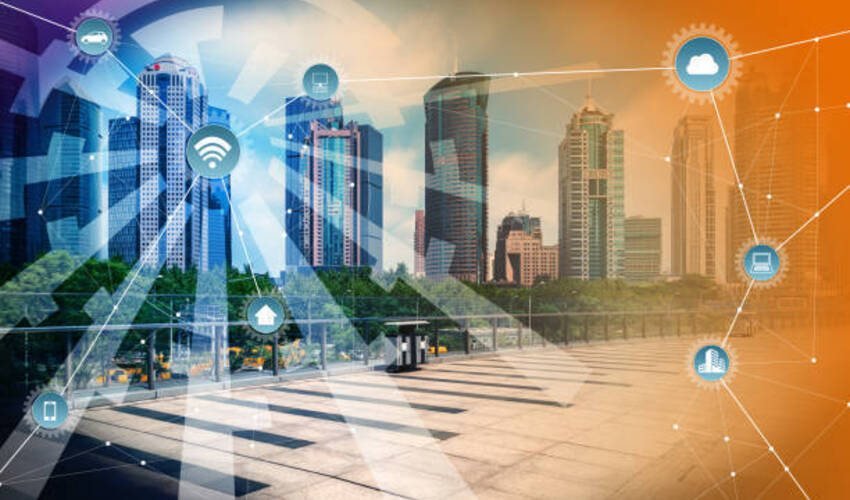
Cities are growing rapidly worldwide. Urban populations are increasing every year. To manage this growth, technology plays a key role. Smart cities are the future of urban living. They use advanced technology to improve efficiency, safety, and quality of life. In 2026, Smart Cities Technology 2026 will transform how people live, work, and commute.
Smart cities integrate digital tools, IoT devices, AI, and data analytics. This allows better planning, energy use, and public services. Citizens benefit from faster services, reduced congestion, and cleaner environments. Governments can make smarter decisions using real-time data. This article explores the top smart cities technologies in 2026 and their impact on urban life.
Why Smart Cities Technology in 2026 Matters
Urban life faces challenges like traffic, pollution, and energy shortages. Smart city technology addresses these problems efficiently. It improves living standards and supports sustainable growth.
Key benefits include:
- Efficient traffic and transport management.
- Reduced energy consumption and pollution.
- Better public safety and emergency response.
- Optimized healthcare and education services.
- Enhanced citizen engagement and participation.
Smart city technology helps governments and businesses create smarter, greener, and safer cities.
Top Smart Cities Technology in 2026
Many technologies will define smart cities in 2026. Here are the most impactful ones:
1. Internet of Things (IoT) Devices
IoT is the backbone of smart cities. Sensors and connected devices gather real-time data. Examples include traffic sensors, smart lighting, and environmental monitors.
IoT helps optimize city operations. Traffic lights adjust automatically based on traffic flow. Street lights turn on only when needed, saving energy. Waste management uses sensors to track bin capacity.
IoT creates a responsive and efficient urban environment.
2. Artificial Intelligence (AI) in Urban Planning
AI plays a key role in analyzing city data. Predictive models forecast traffic congestion, energy demand, and pollution levels. AI helps city planners make informed decisions.
Emergency services use AI to respond faster. Hospitals predict patient inflow to improve resource allocation. AI also improves public transport schedules and routing.
3. Smart Transportation Systems
Smart transportation reduces congestion and travel time. Autonomous vehicles, connected buses, and smart trains improve mobility. Real-time apps help citizens choose the fastest routes.
In 2026, AI-driven traffic management systems will optimize road usage. Ride-sharing and electric vehicles reduce emissions. Cities will also adopt smart parking systems to save space.
4. Renewable Energy Integration
Energy-efficient solutions are vital for sustainable cities. Solar panels, wind turbines, and smart grids are integrated into city infrastructure.
Smart grids optimize electricity distribution and reduce wastage. AI predicts energy demand and adjusts supply automatically. Renewable energy reduces dependency on fossil fuels and lowers pollution.
5. Smart Healthcare Technology
Healthcare in smart cities uses connected devices and AI. Remote monitoring devices track patient health. Telemedicine allows consultations without visiting clinics.
AI analyzes health data to detect diseases early. Hospitals manage patient flow efficiently. Citizens get faster, more reliable healthcare services.
6. Waste Management and Recycling Tech
Smart waste management improves sanitation and sustainability. Sensors detect bin capacity and schedule collection efficiently. Recycling processes use AI and automation to sort materials.
Cities reduce waste overflow and save resources. Citizens experience cleaner and healthier surroundings. Technology also encourages better recycling habits.
7. Smart Security and Surveillance
Public safety is enhanced with smart surveillance systems. AI cameras detect unusual activities in real-time. Emergency services receive instant alerts.
Smart security helps prevent crimes and ensures faster response times. It also protects critical infrastructure like power plants and transport hubs.
8. Water Management Systems
Smart water management monitors consumption and detects leaks. Sensors track water quality and usage patterns.
AI predicts water demand for different areas. Cities reduce water waste and ensure a reliable supply. Citizens enjoy safe and efficient water services.
9. Digital Governance and Citizen Engagement
Smart city technology improves government transparency. Digital platforms allow citizens to report issues and provide feedback.
Apps inform residents about traffic, weather, and emergencies. Citizens participate in decision-making processes. Digital governance enhances trust and civic engagement.
10. Augmented Reality (AR) and Virtual Reality (VR)
AR and VR improve city planning and the citizen experience. AR helps tourists navigate cities with real-time info. VR allows planners to visualize new projects before construction.
Schools and museums use AR/VR for interactive learning. Public engagement becomes more immersive and informative.
Benefits of Smart Cities Technology in 2026
Smart city technologies bring multiple advantages:
- Efficiency: Better use of resources reduces waste.
- Sustainability: Renewable energy and reduced emissions help the environment.
- Safety: AI-driven surveillance prevents crimes and ensures public safety.
- Healthcare: Faster, accurate, and accessible medical services.
- Citizen Satisfaction: Convenience, engagement, and improved services enhance quality of life.
These benefits make cities more livable, productive, and eco-friendly.
Challenges in Adopting Smart Cities Technology
Despite benefits, challenges exist:
- High initial investment and infrastructure cost.
- Data privacy and security concerns.
- Integration of old systems with new technology.
- Maintenance and technical expertise requirements.
- Regulatory and policy hurdles.
Governments and private companies must work together. Effective planning and collaboration ensure successful implementation.
How Cities Can Prepare for 2026
To adopt Smart Cities Technology in 2026, cities should:
- Invest in IoT, AI, and renewable energy infrastructure.
- Train staff and officials in technology management.
- Ensure data privacy and cybersecurity measures.
- Encourage citizen participation and feedback.
- Partner with tech companies for innovation and solutions.
Preparation helps cities gain maximum benefit from smart technology.
Conclusion
Smart Cities Technology in 2026 will transform urban life. Transportation, healthcare, energy, and public services will improve. AI, IoT, and renewable energy will make cities more efficient and sustainable. Citizens will enjoy safer, cleaner, and more convenient environments. Governments must invest wisely and ensure security, privacy, and accessibility.
Smart cities are not just a vision; they are becoming a reality. By adopting advanced technologies, cities will become more responsive, sustainable, and citizen-friendly. Urban life in 2026 will be smarter, greener, and more connected than ever before.
FAQs
1. What is smart cities technology?
It uses AI, IoT, and digital tools to improve city services and quality of life.
2. Why is smart city technology important in 2026?
It makes urban life efficient, sustainable, and safer for citizens.
3. Which areas benefit most from smart city technology?
Transportation, healthcare, energy, public safety, water management, and governance.
4. How can citizens participate in smart cities?
Through digital platforms, apps, and feedback systems for reporting and suggestions.
5. What are the challenges of smart city technology?
High cost, data privacy, system integration, maintenance, and regulatory hurdles.

Read Dive is a leading technology blog focusing on different domains like Blockchain, AI, Chatbot, Fintech, Health Tech, Software Development and Testing. For guest blogging, please feel free to contact at readdive@gmail.com.