
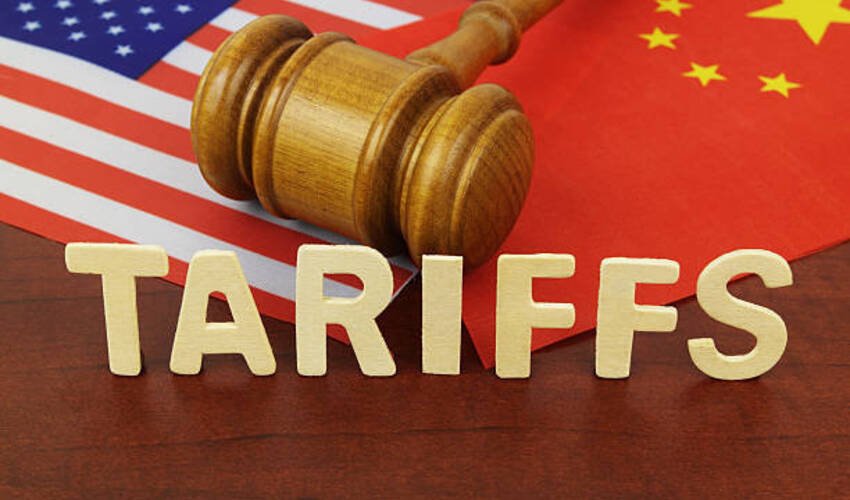
The US tariffs on China have had a significant impact on the evolution of trade relations globally throughout the years. The tariffs, which mainly targeted the trade deficit, were imposed to sort out the matters of the imbalances in trade, the theft of intellectual property, and the national security concerns. Even in 2026, they still affect the companies, the consumers, and the international markets.
US Tariffs on China – An Overview
The US tariffs on goods coming from China were initially imposed with the intention of bringing down the trade deficit and making the trade practices fairer. A wide array of products, such as electronics, machinery, steel, consumer goods, and industrial parts, are all subject to these tariffs. The rates of some tariffs have been modified over the years, but still, many of them are imposed and continue to play a role in influencing the supply chains and pricing.
Economic Effect on the United States
The main reason behind the US tariffs on China is the fact that American companies and manufacturers have to pay more. Many US firms depend on the raw materials or parts from China, and tariffs have increased the cost of production. These additional costs are sometimes transferred to the final customer, which is one of the reasons why prices go up and there is inflationary pressure in the economy.
On the other hand, tariffs have provided an impetus for some companies to spread their supply chains across various countries or areas by moving production to different countries or boosting local manufacturing. Even though this has opened the door for reshoring, the shift has not been problem-free, and it usually entails higher costs of operation.
Impact on China and Global Trade
China’s retaliation to US tariffs consisted of measures that included the imposition of tariffs on American agricultural products, vehicles, and industrial goods. This has a direct impact on US exporters, especially farmers and manufacturers, who have, to a large extent, been relying on foreign markets.
The trade tensions between the US and China have turned the world upside down in terms of trade flows and have also created a cloud of uncertainty in the global market. Companies around the world are rethinking their sourcing strategies, and emerging markets are facing both risks and opportunities as the realignment of supply chains takes place.
Strategic and Political Considerations
The trade issue between the US and China has a lot more to it than just the economic factor, since the tariffs are also seen as part of the US geopolitical strategy. The trade negotiations have been focused on the issues of technology competition, data security, and intellectual property protection, among others. The use of tariffs as a bargaining tool has been common in the discussions about global trade rules and economic power in general.
Looking Ahead
With the ongoing changes in trade policies, US tariffs on China are still a hot issue for both the business world and the government alike. Businesses must be well-informed, evaluate risks, and alter their strategies in a way that the trade uncertainties will not affect them badly.
Conclusion
The US tariffs on China have drastically changed the trade relationships, impacted global supply chains, and led to the adoption of new economic policies. In an increasingly interconnected global economy, it is crucial to be aware of the effects of tariffs for the sake of businesses that want to achieve stability and growth.

Read Dive is a leading technology blog focusing on different domains like Blockchain, AI, Chatbot, Fintech, Health Tech, Software Development and Testing. For guest blogging, please feel free to contact at readdive@gmail.com.