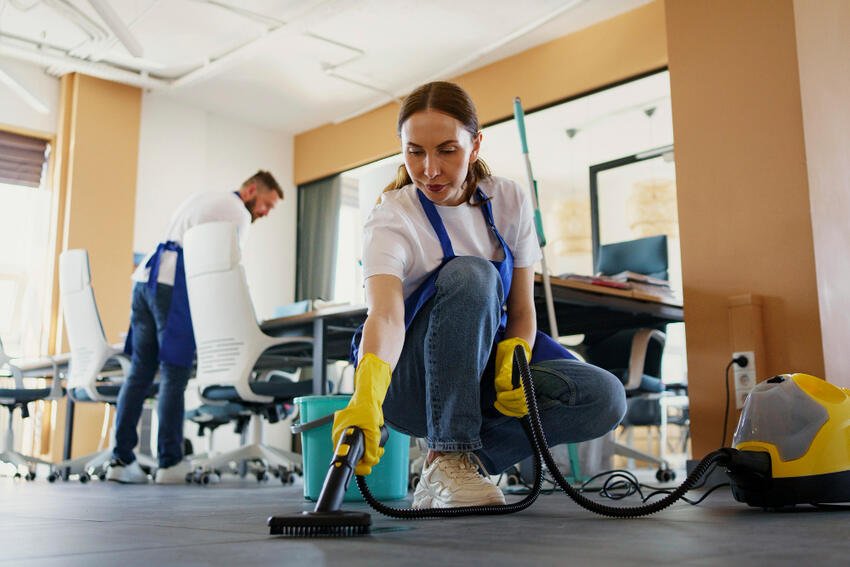
Preventive maintenance plays a huge role in keeping an office running smoothly. Instead of waiting for something to break, this approach focuses on regular checks and small fixes that prevent the bigger problems from developing in the first place. From a business point of view, preventive maintenance saves a lot of time, reduces costs, and supports a more productive work environment.
Early on, many office managers recognized the value of addressing structural issues such as cracked floors or damaged walkways through services like commercial concrete repair. Taking care of these problems before they worsen can protect both the building and the people who use it every day. But why is preventive maintenance so important in the office in the first place?
Reducing unexpected disruptions.
One of the biggest advantages of preventive maintenance is fewer surprises. Equipment failures, water leaks, or electrical problems can stop work instantly. These disruptions often lead to missed deadlines, frustrated employees, and unhappy clients. By scheduling in regular inspections and upkeep, businesses can identify issues before they cause that down time. Planned maintenance is easier to manage than emergency repairs, and it allows work to continue with minimal interruptions.
Lowering the long term costs.
Waiting until something breaks usually costs way more than fixing it early. Emergency repairs often come with higher labour fees, rush materials and potential damage to other parts of the building. Preventive maintenance helps to avoid these expenses by extending the life of office assets over time. Maintaining HVAC systems, lighting, flooring, and structural elements reduces the need for major replacements. This makes budgeting much more predictable and helps businesses to control operating costs.
Supporting employee safety and comfort.
A well maintained office is a safe place to work. Loose tiles, uneven floors, poor air quality, or malfunctioning equipment can create safety risks. Even smaller hazards can lead to injuries, sick days, or workers compensation claims. You’ll also help to improve comfort with preventive maintenance. Clean air systems, reliable heating and cooling, and properly functioning facilities help employees to stay focused and comfortable. When people feel good, they’re in their workspace, productivity is a natural result.
Protecting your reputation.
The condition of an office reflects the business itself. Clients, partners and job candidates notice when a building is clean, organized and well cared for. Preventive maintenance helps to create a professional image that builds trust and confidence. Neglected officers with visible damage can send the wrong message and they may suggest poor management or lack of attention to detail, which can affect your business relationships.
Extending the life of the building.
An office building is a major investment, and preventive maintenance protects that investment by slowing down wear and tear. Regular care of roofs, walls, floors and systems keeps the structure strong and functional for years to come. This long term approach will also help to maintain property value whether you plan to lease, sell or simply operate the building for decades. Good maintenance supports future flexibility.

Read Dive is a leading technology blog focusing on different domains like Blockchain, AI, Chatbot, Fintech, Health Tech, Software Development and Testing. For guest blogging, please feel free to contact at readdive@gmail.com.