
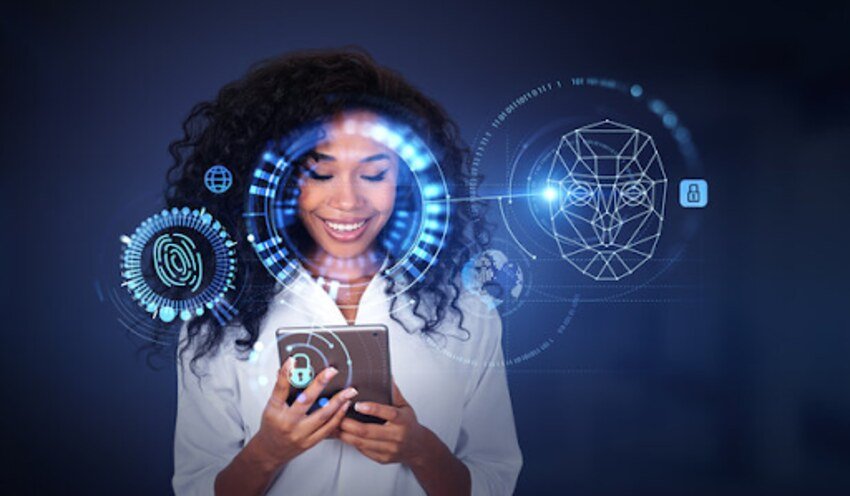
In the digital world of today, safeguarding virtual identities is a critical issue to be dealt with. The on-device liveness detection secures the authenticity of the user through physical presence. The technology does identity confirmation on the user’s device and keeps data safe and private. Besides, it allows for quick and dependable authentication, along with preventing any occurrences of fraud and unauthorized access.
Do you have complete faith in the security of each online communication? Scammers keep coming up with novel methods to overstep the conventional identity checks. On-device liveness detection technology guarantees the access of the real and verified users only. The safeguarding of your data, the prevention of spoofing, and the building of trust with this state-of-the-art verification technology are the outcomes of your choice.
On-device liveness detection confirms the presence of a live person who is communicating with the system, and not a photo or video. It operates on the user’s device and thus personal data remains safe. This feature not only stops fraud and unauthorized access but also provides identity verification that is fast, reliable, and privacy-friendly for both businesses and customers.
What is On-Device Liveness Detection?
The Process of on-device liveness detection is one of the biometric technologies which identifies and confirms that the user of the digital system is a real person who is physically present, not an imitation image, video, or computer-generated image. This technique is different from server-based solutions as it runs the verification locally on a user’s device, which could be a phone, a tablet, or a computer.
Thus, the handling of the sensitive biometric data will be very secure since it will not be sent to remote servers but rather processed right in users’ devices, which will greatly cut the privacy risks and the chances of data breaches. The use of facial recognition, motion analysis, and AI-powered algorithms together makes on-device liveness detection a fast and reliable solution for many different scenarios of authentication.
Benefits of On-Device Liveness Detection
Security Boost
On-device liveness detection discourages tampering by using real-time user presence verification, thus it also puts a stop to refund claims based on photos, videos, or deepfake content. Firms can authenticate users with complete trust and at the same time, lessen the unauthorized access risk.
User Data Scrambling
Verification is done on the device, so biometric data remains the user’s property. This leads to a much lower privacy concern and the user gets a guarantee of conformity with regulations like GDPR and CCPA, which makes the solution very attractive for those who want their privacy safeguarded.
Liveness Detection Too Slow
The user would experience a significant shortening of the verification, seamless onboarding, and minimal disruption, thus the overall satisfaction would be improved, as a result, the on-device processing would cut latency caused by the server communications.
Decrease in Cost of Operation
On-device processing leads to the redundancy of large server infrastructure and the lessening of reliance on outside verification systems. This results in being more cost-effective for the organizations in general without the loss of security or reliability.
Why Businesses Should Adopt On-Device Liveness Detection
- Build Trust: Shoppers, for instance, are more comfortable when their identity is safeguarded.
- Prevent Fraud: Identity theft is one of the major causes of financial loss, and this prevents it.
- Enhance Efficiency: By using KYC processes in your organization, you will achieve faster onboarding and verification, thus saving both time and resources.
- Future-Proof: The companies are going to be able to keep the pace in utilizing state-of-the-art security technologies through this.
Frequently Asked Questions
What is on-device liveness detection?
This is a cutting-edge encryption method that not just recognizes the individual but also signals the presence of their device.
How does it protect my data?
As the whole validation procedure is conducted on the gadget, the user’s information is completely safe and private.
Can it prevent fraud?
Indeed, it will identify if the users are attempting to deceive the system by using images, videos, or deepfakes and hence, it will stop the fraud.
Which devices support it?
Every device with a camera like smartphones, tablets, and computers will support liveness detection.
Is it fast and reliable?
Authentication is, naturally, real-time with just a tiny bit of waiting time involved.
CONCLUSION
The necessity for secure and trustworthy identity verification for both businesses and users has grown as a result of the digital interactions’ continuous rise being more and more urgent. On-device liveness detection is one of the solutions that would entirely remove the need for people’s identity verification from a distance. This method will confirm that a real person is present on their device, and thus it will be impossible for anyone else to say otherwise. Therefore, not only will it eliminate fraud and unauthorized access, but also the sensitive information of the respective parties will remain private and safe.
Fast, real-time verification will be used by organizations to enhance user experience while making it possible to comply with the privacy regulations. On-device liveness detection is capable of reaching different industries such as finance, healthcare, government services, and travel, thus providing a versatile, fast, and reliable identity verification method. The implementation of this technology will not only help in securing the businesses’ operations but also in winning their customers’ trust and making the verification process easier, hence it will be a crucial tool in the digital world of today.

Read Dive is a leading technology blog focusing on different domains like Blockchain, AI, Chatbot, Fintech, Health Tech, Software Development and Testing. For guest blogging, please feel free to contact at readdive@gmail.com.