
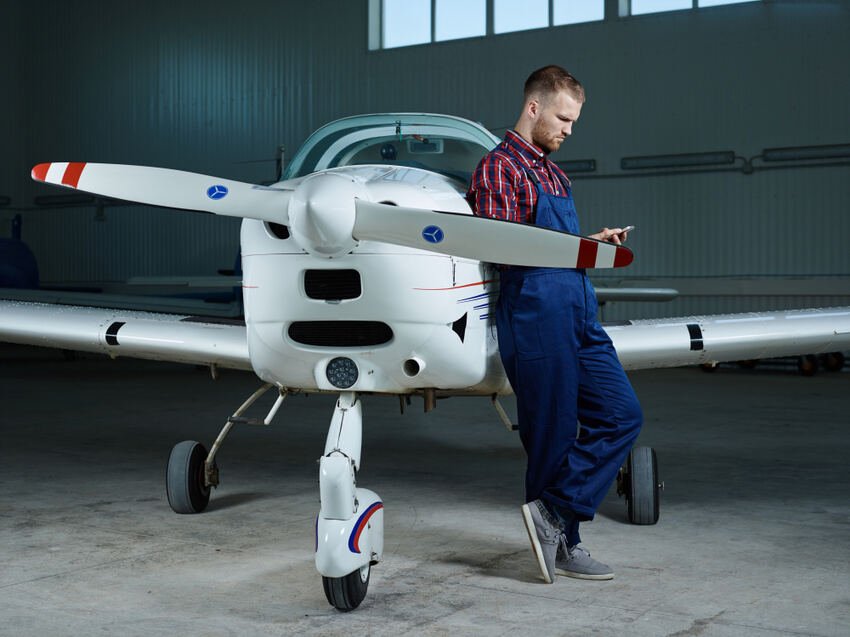
Reliable power is essential to safe and predictable aircraft operation. From engine starts to avionics performance, every electrical function depends on a stable and well‑maintained power system. Aircraft owners who understand the factors that influence power reliability are better equipped to prevent failures, reduce maintenance costs, and support consistent performance in all operating conditions. Focusing on a few core elements helps ensure that the electrical system remains dependable throughout the aircraft’s service life.
Battery Quality and Condition
The battery is the foundation of the aircraft’s electrical system, supplying the initial surge of power required for engine start and supporting essential functions when generators are offline. Its condition directly affects reliability, especially during high‑demand phases. A battery that delivers stable voltage and maintains capacity under load helps prevent slow starts, voltage drops, and unnecessary strain on other components.
Routine inspections should include checking for corrosion, verifying charge levels, and confirming that the battery responds properly during load testing. Many operators rely on a reputable G-25 aircraft battery to ensure consistent performance, particularly in environments where reliability is critical. A high‑quality battery reduces the risk of unexpected failures and supports long‑term electrical system health.
Integrity of Wiring and Electrical Pathways
Wiring serves as the network that distributes power throughout the aircraft. Over time, vibration, temperature changes, and environmental exposure can cause insulation wear, loose connections, or internal damage. Even minor issues can disrupt electrical flow, leading to intermittent faults or reduced system efficiency.
Regular inspections help identify early signs of deterioration such as chafing, discoloration, or exposed conductors. Ensuring that wiring bundles are properly secured and routed away from moving parts prevents unnecessary wear. Clean, intact wiring supports stable power delivery and reduces the likelihood of electrical interruptions during flight.
Performance of Charging and Power Generation Systems
Once the engine is running, alternators or generators take over as the primary power source. Their performance determines whether the aircraft can maintain stable voltage and keep the battery properly charged. Any decline in output can affect multiple systems simultaneously, from avionics to lighting to environmental controls.
Routine checks should include verifying voltage output, inspecting drive belts, and ensuring that cooling systems are functioning correctly. Identifying irregularities early helps prevent power fluctuations that could compromise safety or lead to costly repairs. A reliable charging system ensures that the aircraft remains fully powered throughout every phase of operation.
Condition of Circuit Protection and Distribution Components
Circuit breakers, fuses, and distribution panels play a critical role in safeguarding the electrical system. They protect against overloads, isolate faults, and ensure that power is delivered efficiently to each component. When these devices begin to fail or show signs of wear, the entire electrical network becomes more vulnerable.
Frequent breaker trips, overheating, or inconsistent power distribution may indicate deeper issues that require attention. Regular inspections help confirm that protection devices are functioning correctly and that distribution pathways remain balanced. Maintaining these components supports system stability and reduces the risk of electrical failures during flight.
Conclusion
Power reliability depends on the condition of the battery, the integrity of wiring, the performance of charging systems, and the effectiveness of circuit protection. When these factors are monitored and maintained with care, aircraft owners can ensure consistent electrical performance, reduce operational risks, and support long‑term system health.

Read Dive is a leading technology blog focusing on different domains like Blockchain, AI, Chatbot, Fintech, Health Tech, Software Development and Testing. For guest blogging, please feel free to contact at readdive@gmail.com.