
Starting a gym routine is genuinely exciting, it’s a real commitment to taking care of yourself and getting fitter. But here’s the thing: diving headfirst into intense workouts without laying the groundwork can lead to injuries, complete burnout, or results that just don’t match your expectations. Whether you’re stepping into a gym for the very first time or coming back after months (or even years) away, understanding some core health principles can truly make or break your fitness journey. Let’s be honest, the gym can feel intimidating at first.
Prioritize Proper Nutrition and Hydration
What you eat and drink before heading to the gym has a massive impact on how you’ll perform, your energy levels, and how well you’ll recover afterward. Your body needs proper fuel to power through challenging workouts, showing up running on empty compromises both your results and your safety. Eating a balanced mix of carbohydrates and protein somewhere between one and three hours before you exercise gives your muscles the energy they need while protecting them during training. For athletes looking to really maximize their training intensity, a quality pre workout supplement can help sharpen focus and boost energy during those demanding sessions. Think of carbohydrates as your body’s go-to fuel source when you’re doing moderate to intense exercise, while protein steps in to prevent muscle breakdown and kickstart recovery. And here’s something people often overlook: staying properly hydrated isn’t just nice to have, it’s absolutely essential for both performance and safety. Even being slightly dehydrated can hurt your physical performance, reduce your strength, and make workouts feel way harder than they should. Instead of chugging water right before you work out, sip consistently throughout the day, and adjust based on how intense your workout will be, how long it’ll last, and even the temperature where you’re training.
Always Start with a Proper Warm-Up
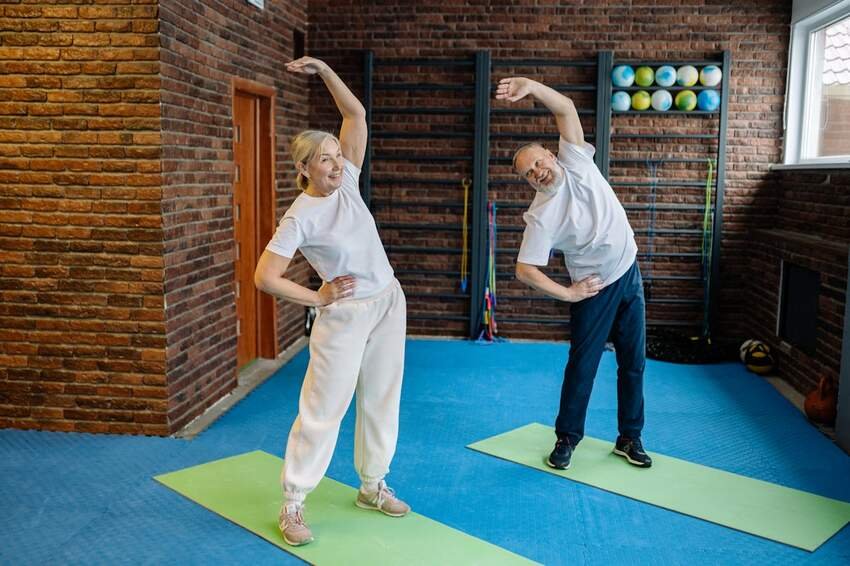
Here’s one of the most skipped yet crucial parts of any gym session: the warm-up. So many people want to maximize their workout time and jump straight into their main exercises, but that’s actually setting yourself up for injury and diminishing what you could achieve. A proper warm-up does several important things, it gradually gets your heart rate up, sends more blood flowing to the muscles you’re about to use, improves how your joints move, and gets your nervous system ready for what’s coming. Starting with just five to ten minutes of light cardio like walking, cycling, or rowing helps your body transition smoothly from rest mode to active mode.
Understand Your Current Fitness Level and Limitations
Being honest with yourself about where you’re starting from is essential, yet it’s something many people struggle with. There’s a tendency to overestimate current capabilities or brush aside existing physical limitations. Starting with exercises that are beyond your current fitness level dramatically increases your injury risk and can lead to serious setbacks that derail everything before you’ve really gotten started. If you’re brand new to structured exercise or you’re returning after a long time away, it’s worth scheduling a session with a qualified personal trainer who can evaluate how you move, spot potential weaknesses or imbalances, and create a program that actually fits your specific situation.
Master Form and Technique Before Increasing Weight
The urge to lift heavy weights right from day one is completely understandable, there’s something satisfying about moving serious weight. But here’s the truth: prioritizing proper form over impressive numbers is what leads to long, term success and keeps you injury-free. Poor technique doesn’t just make your workouts less effective by failing to properly work the muscles you’re targeting; it also puts excessive stress on your joints, connective tissues, and the smaller stabilizing muscles. When you’re learning new exercises, start with lighter weights or even just bodyweight variations that let you focus entirely on movement quality and really feeling those muscles working.
Listen to Your Body and Respect Recovery Needs
When you’re excited about your fitness goals, it’s easy to fall into the trap of thinking “more is always better. ” But understanding that rest and recovery play a critical role is absolutely essential for making real, sustainable progress. Here’s something important to grasp: your muscles don’t actually grow stronger while you’re working out. They adapt and improve during recovery periods, when proper nutrition and rest allow for tissue repair and those physiological adaptations to happen.
Set Realistic Goals and Track Your Progress
Going to the gym without clear objectives often results in inconsistent effort, randomly chosen exercises, and eventually giving up on the whole routine. Setting specific, measurable, achievable, relevant, and time-bound goals gives you direction and keeps you motivated while letting you track meaningful progress over time. Instead of vague ideas like “getting in shape, ” define concrete outcomes, things like doing ten push-ups in a row, adding twenty pounds to your squat, or consistently working out four times a week for three months. Breaking those bigger goals into smaller, achievable milestones creates regular wins that keep you motivated and feeling positive about your progress.
Conclusion
Getting properly prepared for gym workouts involves so much more than just showing up and going through the motions. When you prioritize proper nutrition and hydration, implement thorough warm-ups, honestly assess where you’re currently at, master exercise technique, respect your body’s recovery needs, and establish clear goals, you’re creating the conditions for safe, effective, and sustainable progress. These foundational health principles apply no matter what your specific fitness objectives are, whether you’re training for athletic performance, improving your overall health, or working toward aesthetic goals. Keep in mind that building fitness habits that truly last is much more of a marathon than a sprint, and the effort you put into learning and applying these expert tips will pay off throughout your entire fitness journey.

Read Dive is a leading technology blog focusing on different domains like Blockchain, AI, Chatbot, Fintech, Health Tech, Software Development and Testing. For guest blogging, please feel free to contact at readdive@gmail.com.