
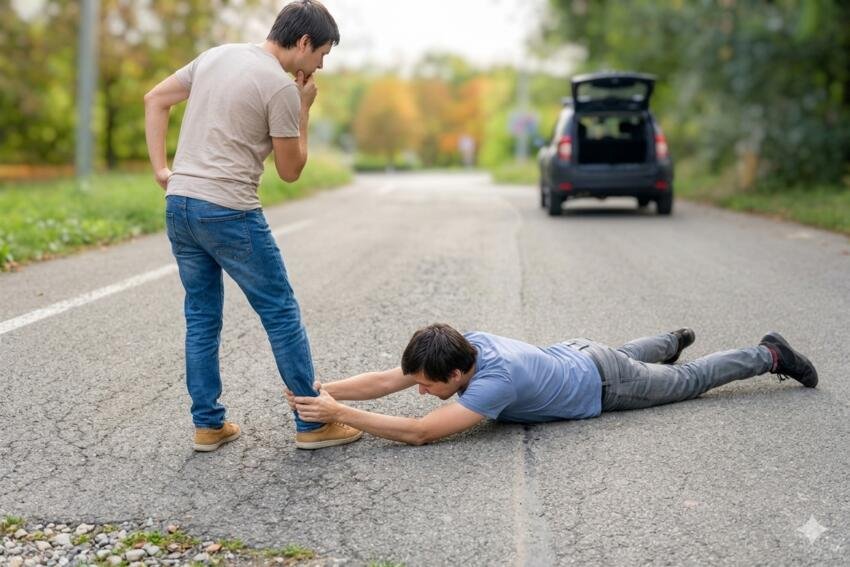
A hit-and-run incident can leave drivers shocked, confused, and overwhelmed within seconds. One moment traffic is moving normally, and the next, a vehicle disappears after causing damage or injury. These situations are stressful because victims are often left without immediate answers, making the aftermath more complicated than a typical accident.
Hit-and-run accidents happen in parking lots, intersections, highways, and even quiet residential streets. Some involve minor property damage, while others result in serious injuries. Knowing how to respond quickly and correctly can protect both safety and legal rights. Drivers who stay calm, gather evidence, and understand the importance of reporting the incident are often in a stronger position afterward.
Why Hit-and-Run Incidents Happen So Often
Hit-and-run accidents occur for many reasons, but fear is often the biggest factor. Some drivers panic after causing a collision and leave the scene to avoid legal trouble, financial responsibility, or license penalties. Others may be driving without insurance, under the influence, or with outstanding violations they do not want discovered.
According to Chopin Law Firm, Amazon truck accident lawyer group, “Unfortunately, these incidents are becoming increasingly common in crowded cities and busy parking areas where drivers believe they can escape unnoticed. Even small accidents involving parked cars frequently turn into hit-and-run cases when the responsible driver leaves without providing contact information.”
No matter the reason, fleeing the scene creates additional legal consequences. Leaving an accident site is considered a serious offense in many places, especially when injuries are involved.
The First Steps Matter Most After the Collision
The moments immediately following a hit-and-run accident are critical. Staying calm helps drivers make better decisions while protecting themselves and others from further danger. If possible, moving to a safe location away from traffic should be the first priority.
Drivers should avoid chasing the fleeing vehicle because doing so may increase risks or create another accident. Instead, focus on remembering details such as the car’s color, make, model, license plate numbers, or unique features. Even partial information can help authorities identify the driver later.
Calling emergency services and reporting the incident quickly is extremely important. Officers arriving at the scene can document evidence, gather witness statements, and create an official report that may support insurance claims or future investigations.
Witnesses Can Make a Huge Difference
Witnesses often become one of the strongest sources of evidence in hit-and-run cases. People nearby may notice details that victims miss during the confusion and stress of the collision. A witness might remember the vehicle description, direction of travel, or even part of a license plate.
Drivers should politely ask nearby individuals if they saw what happened and request their contact information. Independent witness statements can strengthen police reports and insurance claims significantly.
Businesses, homes, and traffic cameras near the accident scene may also capture valuable footage. Surveillance videos sometimes provide the exact evidence needed to identify a fleeing driver. Acting quickly matters because some systems automatically erase recordings after a short period.
The more information collected early, the greater the chances of locating the responsible driver successfully.
Insurance Coverage Plays an Important Role
Many drivers assume insurance only helps when both parties remain at the scene, but certain policies also provide protection during hit-and-run incidents. Uninsured motorist coverage may help pay for injuries or vehicle damage if the fleeing driver cannot be identified.
Drivers should notify their insurance company as soon as possible after the accident. Delays may complicate the claims process or raise questions about the incident details. Providing photos, witness information, police reports, and documentation helps support the case.
Some policies may also cover rental vehicles, medical expenses, or repair costs depending on the situation. Understanding insurance coverage before an accident happens can reduce confusion later during stressful moments.
Reading policy details carefully is one of the smartest steps any driver can take.
Emotional Stress Often Lasts Beyond the Accident
Hit-and-run incidents affect more than vehicles. Many victims experience frustration, anger, and anxiety after realizing another driver abandoned the situation instead of taking responsibility. The emotional impact can linger long after the physical damage is repaired.
Some drivers become nervous behind the wheel afterward, especially if the accident caused injuries or occurred suddenly in heavy traffic. Fear of another unpredictable incident may affect confidence during daily driving routines.
The lack of closure can also be emotionally exhausting. Victims may struggle with unanswered questions about whether the responsible driver will ever be found.
Talking with family, trusted friends, or professionals can help reduce stress during the recovery process. Emotional recovery matters just as much as repairing the vehicle itself after a traumatic hit-and-run experience.
Technology Is Helping Solve More Cases
Modern technology has improved the chances of identifying hit-and-run drivers. Traffic cameras, dashboard cameras, security systems, and even smartphone recordings now provide valuable evidence in many investigations.
Dash cams are becoming especially popular among drivers because they continuously record road activity. In some cases, clear footage captures license plates, driver behavior, or the exact sequence of events during an accident.
License plate recognition systems and city surveillance networks also assist law enforcement in tracking fleeing vehicles more efficiently than in the past. Social media sometimes helps too, as witnesses may share footage or photos that lead to new information.
While technology cannot prevent every hit-and-run accident, it gives victims stronger tools for proving what happened and supporting investigations afterward.
How Nighttime Increases Hit-and-Run Risks
Hit-and-run accidents happen more frequently at night because darkness makes identification harder. Reduced visibility allows fleeing drivers to believe they can escape unnoticed, especially on poorly lit streets or empty highways. Traffic is often lighter during nighttime hours, which may also reduce the number of witnesses available to help investigators.
Drivers face additional challenges after dark because vehicle colors, license plates, and facial features become harder to recognize quickly. Rain or fog during nighttime conditions can make matters even worse.
Using headlights properly, remaining cautious at intersections, and keeping a safe distance from reckless drivers become especially important after sunset. Staying attentive during nighttime travel can improve reaction time and reduce the chances of becoming involved in dangerous situations.
Parking Lot Accidents Often Lead to Hit-and-Runs
Parking lots may appear safer than busy roads, but they are common locations for hit-and-run incidents. Tight parking spaces, distracted drivers, and limited visibility increase the chances of minor collisions involving parked vehicles.
Some drivers panic after scratching or denting another car and leave without leaving contact information. Unfortunately, even low-speed accidents can result in expensive repairs and frustration for victims returning to damaged vehicles.
Drivers can protect themselves by parking in visible, well-lit areas whenever possible. Taking photos of the vehicle before leaving it parked may also help document existing conditions. Security cameras near stores, offices, or apartment buildings can sometimes provide important evidence during investigations.
Remaining careful while reversing and avoiding distractions in parking areas can help reduce unnecessary accidents.
Social Media Can Assist Investigations
Social media has become an unexpected tool in solving hit-and-run cases. Witnesses often share photos, videos, or descriptions online after seeing accidents occur in public areas. In some situations, viral posts help identify fleeing drivers much faster than traditional investigations alone.
Community groups and neighborhood pages may also spread awareness about damaged vehicles or suspicious driving behavior nearby. This increased visibility encourages witnesses to come forward with additional information that authorities can use.
However, drivers should still avoid sharing inaccurate assumptions or personal accusations online without confirmed facts. False claims can create unnecessary complications during investigations.
When used responsibly, social media can support law enforcement efforts and increase the chances of finding drivers who leave accident scenes without taking responsibility.
Legal Consequences Can Be Severe
Leaving the scene of an accident carries serious legal consequences in many regions. Penalties often become harsher when injuries, fatalities, or major property damage are involved. Drivers found guilty of hit-and-run offenses may face fines, license suspension, criminal charges, or even jail time.
Courts typically view fleeing an accident as an attempt to avoid responsibility, which can negatively affect legal outcomes later. Insurance companies may also deny coverage or raise premiums significantly for drivers involved in these incidents.
Even if panic causes someone to leave initially, returning later does not always erase the legal consequences. Responsible actions immediately after an accident matter greatly under the law.
Understanding these penalties highlights why remaining at the scene is always the safest and smartest decision.
Defensive Driving Helps Reduce Risky Encounters
Defensive driving is one of the best ways to reduce the likelihood of serious accidents, including hit-and-run situations. Staying alert to surrounding traffic allows drivers to recognize reckless behavior before it turns dangerous.
Aggressive lane changes, speeding, distracted driving, and tailgating often signal unpredictable motorists who may flee after causing accidents. Giving these vehicles extra space can reduce collision risks.
Drivers should also avoid distractions such as texting, eating, or adjusting devices while driving. Quick reaction times become extremely important when unexpected situations occur suddenly.
Practicing patience behind the wheel helps create safer roads for everyone. While defensive driving cannot prevent every hit-and-run incident, it improves awareness and gives drivers a better chance of avoiding dangerous encounters before they escalate into serious accidents.

Read Dive is a leading technology blog focusing on different domains like Blockchain, AI, Chatbot, Fintech, Health Tech, Software Development and Testing. For guest blogging, please feel free to contact at readdive@gmail.com.