
Not long ago, money had borders.
Where you lived determined how you banked, how you got paid, and how easily you could send or receive funds. Crossing financial borders meant dealing with currency exchanges, high fees, long delays, and layers of intermediaries. Sending money internationally wasn’t just inconvenient – it was often expensive and slow.
In 2026, that reality is rapidly changing.
Money is becoming borderless. It moves faster, reaches further, and adapts to a world where work, commerce, and communication are no longer tied to one location. But what does “borderless money” actually mean – and why does it matter?
From Local Systems to Global Flow
Traditional financial systems were built around geography. Banks operated within countries, currencies were tied to national economies, and regulations reinforced those boundaries.
If you wanted to send money abroad, your transaction had to pass through multiple institutions – each adding time and cost. Even receiving money from another country could take days.
Today, that structure is being challenged.
Digital infrastructure has made it possible for money to move more like information – fast, direct, and less dependent on physical location. Whether you’re paying for a service overseas or receiving income from a client on another continent, the process is becoming increasingly seamless.
The Forces Driving Borderless Finance
Several key trends are pushing money beyond borders:
- Remote Work and Global Income
People are no longer limited to earning within their own country. Freelancers, creators, and remote workers routinely collaborate across time zones and currencies. - Digital Platforms and Marketplaces
E-commerce and digital services have expanded globally, allowing individuals and businesses to operate internationally from day one. - Technological Innovation
Advances in financial technology have reduced friction in cross-border transactions, making them faster and more accessible. - Changing Expectations
Users now expect money to move instantly, regardless of location. Waiting days for international transfers feels increasingly outdated.
Together, these forces are reshaping what money can do – and where it can go.
The Role of Modern Financial Tools
Borderless money wouldn’t be possible without the tools that support it.
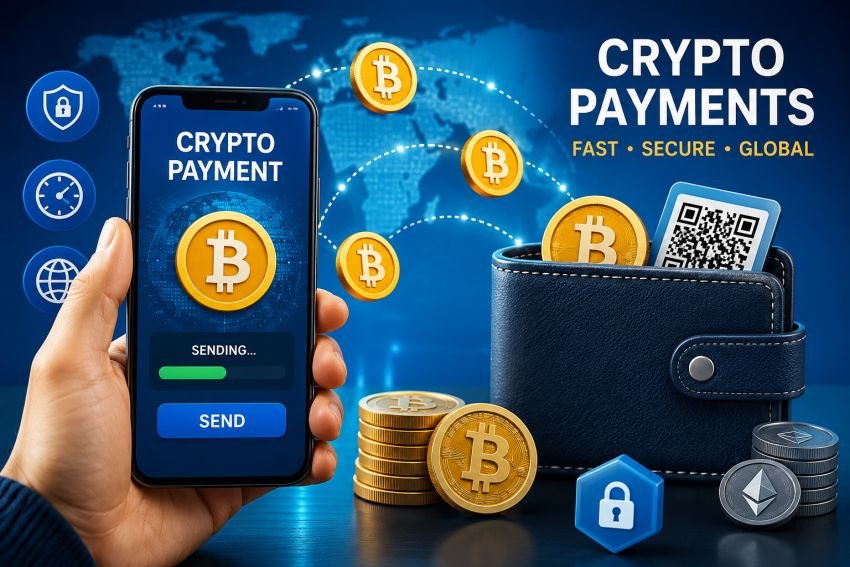
Today, managing international transactions no longer requires navigating complex banking systems. A payment app can simplify the process, allowing users to send and receive money across borders with just a few taps.
These tools act as connectors between different financial systems, reducing the need for intermediaries and minimizing delays. They also make it easier to handle multiple currencies, track transactions, and maintain control over funds in a global context.
Some platforms go a step further by integrating payments into broader financial ecosystems. For example, Exodus offers a streamlined way to send and receive funds within a more flexible digital finance environment. It reflects how modern tools are evolving to support a world where financial activity is no longer confined by geography.
Why Borderless Money Matters
The shift toward borderless finance isn’t just a technical upgrade – it has real-world implications for how people live and work.
Greater Opportunity
People can access global markets, work with international clients, and earn income beyond their local economy.
Increased Flexibility
Money can be managed from anywhere, giving users more freedom in how they structure their lives and careers.
Lower Barriers to Entry
Entrepreneurs and small businesses can operate globally without needing complex financial setups.
Faster Transactions
Time delays are reduced, allowing for quicker decision-making and smoother financial interactions.
In short, borderless money expands what’s possible.
The Challenges Behind the Shift
Despite its advantages, borderless finance isn’t without complications.
Regulatory Differences
Financial rules vary across countries, creating complexity for global transactions.
Currency Volatility
Managing multiple currencies introduces exchange rate risks.
Security Concerns
As money moves digitally across borders, protecting it becomes even more important.
Uneven Access
Not everyone has equal access to the tools that enable borderless finance, which can widen existing gaps.
These challenges highlight that while money may be moving freely, the systems around it are still catching up.
A New Relationship With Money
As financial borders fade, our relationship with money is changing.
Money is no longer something that sits in one place – it’s something that flows. It moves between platforms, across countries, and through different forms. This fluidity changes how people think about earning, saving, and spending.
It also shifts the focus from location to access. What matters isn’t where your money is stored, but how easily you can use it when and where you need it.
A payment app becomes part of this new mindset – not just a tool, but a gateway to a more connected financial world.
Are We Fully Borderless Yet?
Not quite.
While technology has made cross-border transactions easier, complete borderlessness is still a work in progress. Regulations, currencies, and financial systems continue to create friction in certain areas.
However, the direction is clear.
We’re moving toward a system where borders matter less, and access matters more. Where money behaves less like a physical asset tied to a place, and more like a digital resource that can move freely.
The Bigger Picture
The rise of borderless money is part of a larger transformation.
Work is becoming global. Communication is instant. Commerce is digital. It makes sense that money would follow the same path.
This shift isn’t just about convenience – it’s about aligning financial systems with how the world actually operates today.
For individuals, it means more options.
For businesses, it means a broader reach.
For the global economy, it means greater connectivity.
Final Thoughts
Money becoming borderless is one of the most significant changes in modern finance. It removes friction, expands opportunity, and reflects a world that is more connected than ever before.
But it also comes with new responsibilities – understanding tools, managing risks, and navigating a more complex financial landscape.
Digital solutions like a payment app are helping bridge the gap between traditional systems and this new global reality. They don’t eliminate every challenge, but they make it easier to participate in a borderless economy.
The transformation is still unfolding. But one thing is clear: the future of money is not tied to where you are – it’s defined by how freely you can move it.

Read Dive is a leading technology blog focusing on different domains like Blockchain, AI, Chatbot, Fintech, Health Tech, Software Development and Testing. For guest blogging, please feel free to contact at readdive@gmail.com.