The interior design style known as Boho which stands for bohemian emphasizes creative expression and comfortable living and distinct personal style. This design style which derives its roots from artistic and nomadic traditions, violates established design principles to create spaces that use various textures and worldwide design elements and display a casual, authentic atmosphere. The definition of boho interiors as personal expression areas shows how their occupants develop new chapters of their life stories through time.
Origins of the Boho Style
The bohemian aesthetic draws inspiration from 19th-century artists, writers, and travelers who lived unconventional lives. The design style began to exist as a separate entity when it adopted elements from Moroccan, Indian, African, and vintage European design. The present-day boho interiors use these cultural elements together with contemporary design trends to create spaces that maintain both eternal beauty and present-day appeal.
Main Elements of Boho Interior Design
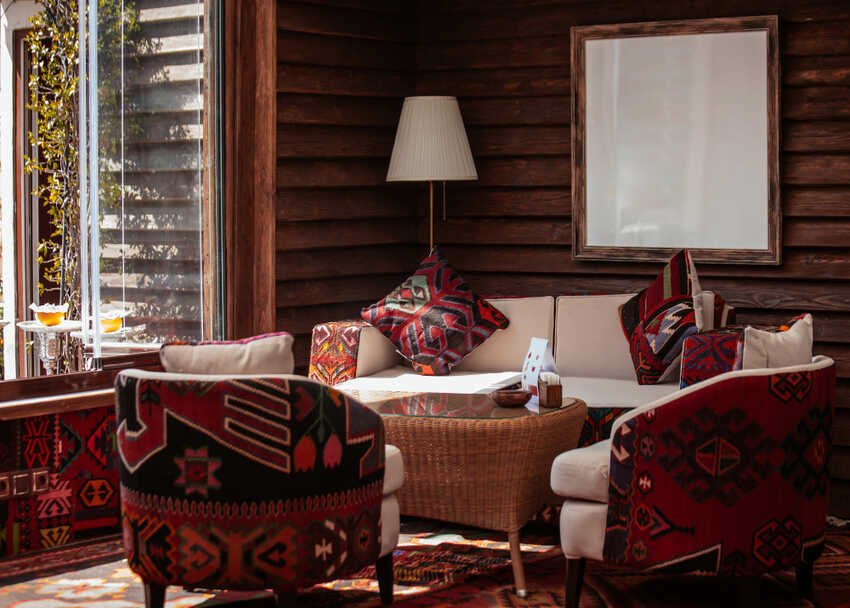
The core concept of bohemian design centers on the practice of creating space through multiple layers. The design includes two elements, which are patterned rugs and cushions that display different shapes and fabric materials. The design requires natural materials, which include rattan wood, jute, and linen to create an atmosphere of warmth and tactile diversity. The color schemes use earthy tones, which include warm neutral shades, terracotta, mustard, olive, and rust, and they use jewel tones like teal or burgundy for accents. The boho color scheme achieves visual unity through contrasting elements, which maintain a balanced relationship with each other.
Furniture and Layout
Bohemian design uses furniture that creates comfortable spaces instead of formal seating arrangements. The space features low-profile seating options, which include poufs and floor cushions, and vintage or handcrafted items. The space displays items that create a collected appearance because people purchased them individually rather than as complete sets.
The design creates a casual and unstructured atmosphere. The room space allows free movement because it lacks defined symmetrical elements, which create a natural flow that supports both social interaction and creative activities.
Decor, Textiles, and Accessories
Textiles function as the main decorative element that defines boho interior spaces. The combination of macramé wall hangings, kilim rugs, embroidered pillows, and woven baskets creates multi-dimensional character through their decorative use. The style uses plants as its main element because the lush greenery creates natural beauty, which also connects to the style’s natural design elements.
People express their individuality through their choice of accessories, which include travel souvenirs, handmade ceramics, books, candles, and art pieces. The various items in the space create multiple narratives, which establish the boho style of the area.
Why Choose Boho Design?
Boho interior design works for people who want to express their individuality while experiencing complete relaxation. The design style enables designers to create their own unique aesthetic by combining different design elements from various time periods and design styles and international and personal design elements. The boho style represents more than a temporary fashion trend because it creates an authentic atmosphere of home through its celebration of flawed elements and artistic expression.

Read Dive is a leading technology blog focusing on different domains like Blockchain, AI, Chatbot, Fintech, Health Tech, Software Development and Testing. For guest blogging, please feel free to contact at readdive@gmail.com.