You probably know how you feel today, at least on a basic level. The problem is that you can’t remember how you felt three weeks ago, but that data might be a crucial piece of information that would answer some vital questions regarding your health. You don’t have to wait for a problem to get a wider picture, when health apps and wearable technology can help you access and collect accurate data that you can then interpret accordingly.
Digital Wellness Apps Transform Your Gym Sessions
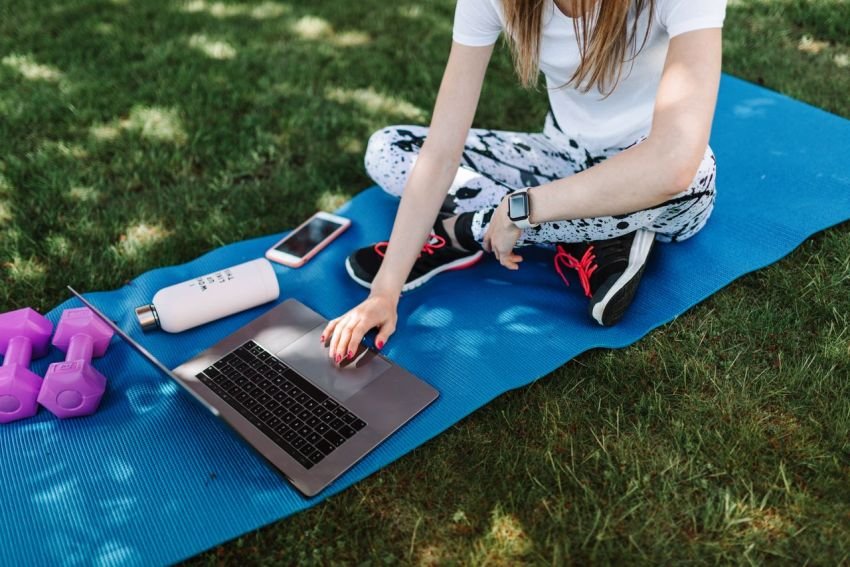
You can just wing it when it comes to certain things in life, but that shouldn’t be the case when it comes to gym sessions. When you get in there, you should have a plan. Ideally, that plan will be efficient, and you’ll stick to it over the course of eight to twelve weeks. When you ignore this aspect of training and instead focus on trying out every gym equipment, you might think that you’re productive, but it’s difficult to know whether you’re getting stronger.
That’s why apps like Heavy have become favorites for Aussies who want straightforward strength tracking. You record your lifts, see your previous weights, and know exactly what to beat next time. You still need a plan that will make room for progressive overload.
Your Watch Notices Things You Wouldn’t
Modern smart watches are a different beast. They can estimate sleep quality, monitor heart rate trends and detect irregular rhythms on some models. Of course, these features are impressive, but none can replace proper medical care. They can still be quite useful as they point your attention in the right direction sooner rather than later.
If your wearable keeps showing unusual readings, there’s a clear sign you should go get that checked out. Use that information as a reason to speak with a healthcare professional. Sometimes you’ll also be referred for Brisbane radiology services or other diagnostic testing if your doctor thinks it’s appropriate, and that’s good because technology starts the conversation, but qualified professionals finish it.
Food Becomes Less Confusing
Nutrition advice changes so often. It’s challenging to keep up or eat whatever is available because a diet plan seems draining. But all this confusion usually comes from not knowing how much you need, and which foods are the best options to satisfy your daily energy goals without you going into extreme calorie surplus or deficit.
Cronometer is one of those apps that gives straight answers by allowing you to look at what you’re eating. This is not your average calorie counter because you’re not just seeing calories. You can see vitamins, minerals, protein, fibre, and plenty of other nutrients, and you can adjust daily goals so that you hit your targets for carbs, fats, or other macros.
Using a reliable app can lead to some insightful discoveries. Maybe you’ve been eating enough protein all along but barely getting any magnesium. Vitamin C is another common deficiency. Then, when you see what’s missing, you can easily adjust. When you search for peppers, you’ll see how much vitamin C you get, and then you create a portion that satisfies your dietary needs.
Recovery Is Finally Getting Some Respect
People love tracking hard work. However, recovery deserves some attention, too. That’s now possible thanks to wearables that estimate recovery. They rely on metrics such as sleep, heart rate variability, and resting heart rate. Devices from companies like Garmin, Fitbit, and Apple all offer different ways to help you understand when your body might need a quieter day.
This is essential, especially for athletes, because your body does wonders in recovery mode. It’s recovery that burns the most calories, it’s recovery that ensures you have enough strength for tomorrow. Stop ignoring it, and look at the metrics now that you have the option to do so.
Sharing Health Data Can Make Appointments Better
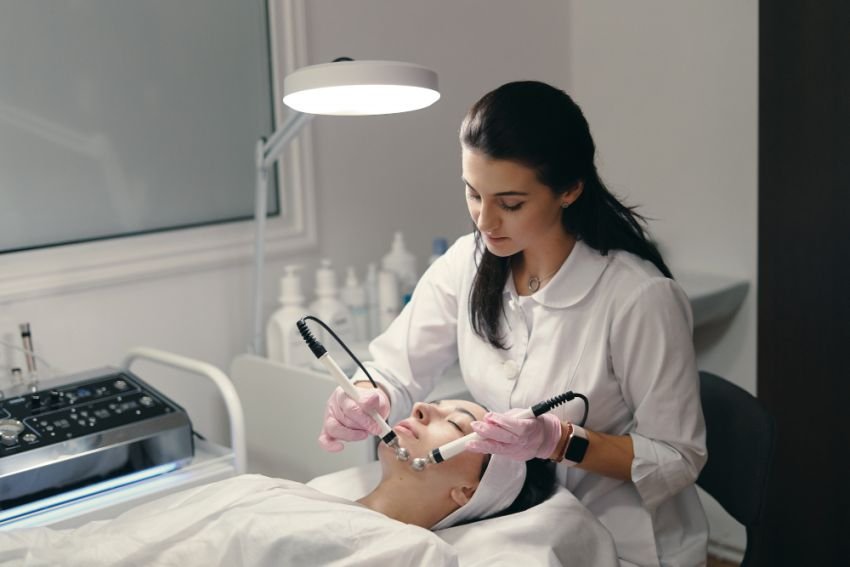
It’s impossible to explain months of symptoms during a fifteen-minute appointment when you aren’t sure about every detail. This all changes if you show up with organized records from your apps or wearables. The details regarding your health are captured and now your doctor can see your sleep patterns or dietary changes.
Doctors still use their training, experience, and proper testing to reach conclusions, but organized information often helps them ask better questions. That means less time trying to reconstruct the past and more time working out what should happen next.
You Take Charge of Your Wellbeing
Some issues are so minor that they barely require a doctor. The problem is that you still make an appointment and show up, only to waste half of your day to get advice from a healthcare provider. This isn’t to persuade you to stop doing that. However, wearables are allowing you to take matters into your own hands and make health-related decisions when appropriate.
For example, if you’re feeling tired and cranky, and your apps are showing you that you’ve barely had any vegetables in the last few days, or that your sleep is in shambles, you can tie this to your current mood and lethargy. Or, if you notice that you consistently eat less calcium, you get to show initiative and ask for some tests to see how that affects your body. Either way, wearables allow you to take charge of your wellbeing.
Conclusion
The biggest strength of health apps is that they can adapt to different lifestyles. Whether your goal is to sleep better or improve a deficiency, there’s probably an app or a device that can make that one job easier without demanding you become a completely different person.

Read Dive is a leading technology blog focusing on different domains like Blockchain, AI, Chatbot, Fintech, Health Tech, Software Development and Testing. For guest blogging, please feel free to contact at readdive@gmail.com.