In today’s digital world, our eyes work harder than ever before. Whether you’re attending virtual meetings, scrolling through social media, reading emails, gaming, or studying online, screen exposure has become a major part of everyday life. While technology has made communication and productivity easier, it has also created new challenges for eye health.
Many people experience symptoms such as dry eyes, headaches, blurred vision, eye fatigue, and difficulty focusing after spending long hours in front of screens. Combined with work pressure and daily stress, these issues can affect both physical comfort and overall well-being.
Fortunately, modern eye care technology is evolving rapidly. From smart eye massagers to advanced blue light filtering solutions, new innovations are helping people reduce discomfort and improve relaxation. These eye care devices for stress relief are becoming part of broader wellness routines designed to support healthier lifestyles.
This article explores the latest eye care innovations, practical ways to reduce eye strain, and how technology can help protect your vision in the digital age.
Understanding Digital Eye Strain
Digital eye strain, sometimes called computer vision syndrome, occurs when the eyes become tired from prolonged use of digital devices. Unlike reading a printed book, screen use often requires constant focusing and refocusing, which places extra demands on the eye muscles.
Common symptoms include:
- Dry or irritated eyes
- Blurred vision
- Headaches
- Eye fatigue
- Neck and shoulder pain
- Increased sensitivity to light
- Difficulty concentrating
Research suggests that many adults spend more than six hours per day looking at screens, while some professionals spend significantly more. As screen time increases, so does the likelihood of experiencing eye discomfort.
Why Eye Health Matters for Overall Wellness
Eye health is often viewed separately from general wellness, but the two are closely connected.
When your eyes feel tired or strained, it can affect:
- Productivity at work
- Mental focus
- Sleep quality
- Mood and stress levels
- Physical comfort
Many people notice that eye fatigue becomes worse during periods of high stress. Likewise, stress can increase muscle tension around the face and eyes, creating a cycle of discomfort.
This connection has encouraged wellness experts to explore holistic approaches that address both eye care and relaxation simultaneously.
Smart Eye Care Technology Is Changing the Game
The eye care industry has introduced a variety of innovative tools designed to help users manage screen-related fatigue and improve comfort.
Unlike traditional solutions that focus only on vision correction, modern devices often combine relaxation features with eye wellness support.
Eye Massage Devices
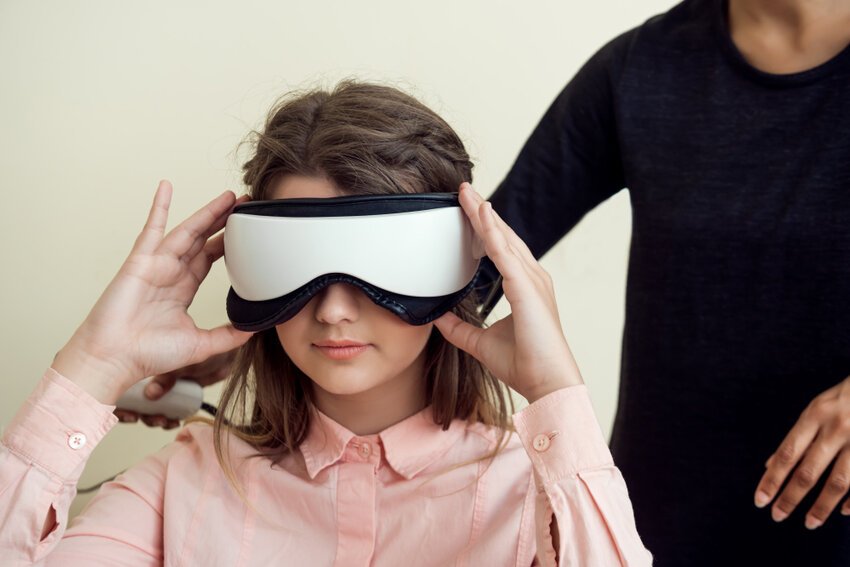
One of the fastest-growing categories in wellness technology is smart eye massagers.
These devices typically use:
- Gentle vibration
- Air compression
- Heat therapy
- Relaxation music
The goal is to help reduce tension around the eyes and surrounding muscles.
Many users find that short sessions after work help relieve feelings of fatigue and promote relaxation. While these devices do not treat medical eye conditions, they may help improve comfort after long periods of screen exposure.
Heated Eye Masks
Heated eye masks have become increasingly popular for people dealing with dry eyes and stress-related tension.
Warm compress therapy may help:
- Improve comfort
- Support tear production
- Relax eye muscles
- Reduce feelings of fatigue
Modern versions often include rechargeable batteries, adjustable temperature settings, and automatic shutoff features for convenience and safety.
Blue Light Filtering Technology
Blue light emitted by digital screens has become a common topic in discussions about eye strain.
Although researchers continue studying the long-term effects of blue light exposure, many users report reduced discomfort when using:
- Blue light filtering glasses
- Screen filters
- Device-based night modes
- Adaptive display technologies
These tools can be especially useful during evening screen use when exposure may interfere with sleep quality.
The Rise of Eye Care Devices for Stress Relief
One reason eye wellness technology is gaining popularity is that it serves multiple purposes.
People are not only looking to protect their vision. They are also searching for practical ways to manage stress in their daily lives.
Many eye care devices for stress relief combine features such as:
- Heat therapy
- Massage functions
- Guided relaxation
- Noise reduction
- Sleep-supporting audio
This combination creates a calming experience that supports overall well-being while helping users recover from long workdays.
Rather than replacing healthy habits, these devices often complement broader self-care routines.
Practical Habits That Protect Your Vision
Technology can be helpful, but healthy daily habits remain one of the most effective ways to protect your eyes.
Follow the 20-20-20 Rule
Eye care professionals frequently recommend the 20-20-20 rule.
Every 20 minutes:
- Look away from your screen
- Focus on something 20 feet away
- Continue for at least 20 seconds
This simple habit helps reduce continuous strain on the eye muscles.
Adjust Your Workspace
Poor workstation setup can increase eye fatigue.
Consider:
- Positioning screens at eye level
- Maintaining proper viewing distance
- Reducing screen glare
- Using adequate lighting
- Increasing text size when necessary
Small adjustments often make a noticeable difference.
Blink More Often
People naturally blink less while using screens.
Blinking helps:
- Keep eyes lubricated
- Prevent dryness
- Improve comfort
Making a conscious effort to blink regularly can help reduce irritation throughout the day.
Stay Hydrated
Dehydration may contribute to dry eyes.
Drinking enough water supports overall health and may help maintain eye comfort during extended periods of screen use.
How Artificial Intelligence Is Supporting Eye Wellness
Artificial intelligence is beginning to play a role in eye health management.
New technologies can:
- Monitor screen time
- Track blinking patterns
- Suggest breaks
- Adjust display settings automatically
- Provide personalized wellness recommendations
As wearable technology continues to advance, AI-powered eye care tools may become even more common in everyday life.
These innovations could help users develop healthier habits before eye strain becomes a significant problem.
Eye Care and Better Sleep
Many people do not realize that eye strain and sleep quality are closely linked.
Excessive evening screen exposure may affect natural sleep cycles by suppressing melatonin production.
To support better sleep:
- Reduce screen use before bedtime
- Enable night mode settings
- Use warm lighting in the evening
- Consider relaxation-based eye care routines
Some eye care devices for stress relief are specifically designed for evening use and may help users unwind before sleep.
Choosing the Right Eye Care Technology
Not every device is suitable for every person.
When evaluating eye wellness products, consider:
Comfort
A device should feel comfortable during use and fit your lifestyle.
Safety
Choose products from reputable manufacturers and follow usage instructions carefully.
Practical Features
Look for features that match your needs, such as:
- Heat therapy
- Massage settings
- Adjustable intensity
- Portability
- Battery life
Wellness Goals
Think about your primary objective.
Are you seeking:
- Relief from eye fatigue?
- Better relaxation?
- Improved sleep habits?
- Reduced screen-related discomfort?
Selecting products based on your specific goals can improve overall satisfaction.
The Future of Eye Care Innovation
As screen usage continues to grow, demand for eye wellness solutions will likely increase as well.
Future developments may include:
- AI-powered eye monitoring
- Smart glasses with wellness features
- Personalized eye health analytics
- Advanced visual fatigue detection
- Integrated stress management systems
The next generation of eye care technology will likely focus on prevention as much as treatment, helping users maintain healthier habits before problems develop.
Conclusion
Modern life places unprecedented demands on our eyes. Long work hours, digital devices, and everyday stress can all contribute to discomfort, fatigue, and reduced well-being.
Fortunately, eye care innovation is evolving to meet these challenges. Smart eye massagers, heated eye masks, blue light filtering technologies, and other eye care devices for stress relief offer practical tools that can support comfort and relaxation.
However, technology works best when combined with healthy habits such as regular screen breaks, proper hydration, adequate sleep, and ergonomic workspaces.
By taking a proactive approach to eye wellness, individuals can protect their vision, reduce stress, and enjoy a more comfortable digital lifestyle.
Frequently Asked Questions (FAQs)
What is digital eye strain?
Digital eye strain is a condition caused by prolonged use of digital screens. Common symptoms include dry eyes, headaches, blurred vision, eye fatigue, and difficulty focusing.
Do eye care devices for stress relief actually work?
Many users report reduced eye fatigue and improved relaxation when using devices that provide heat therapy, massage, or guided relaxation. These devices may improve comfort but are not substitutes for professional medical treatment.
How can I reduce eye strain while working on a computer?
You can reduce eye strain by following the 20-20-20 rule, adjusting screen brightness, minimizing glare, maintaining proper posture, and taking regular breaks throughout the day.
Are blue light glasses effective?
Blue light glasses may help some users reduce visual discomfort during prolonged screen use, particularly in the evening. Research is ongoing regarding their long-term benefits.
Can eye strain affect sleep quality?
Yes. Extended screen use, especially before bedtime, may interfere with natural sleep cycles. Limiting evening screen exposure and using eye relaxation techniques may support better sleep.
How often should I use an eye massager?
Usage varies by device and individual preference. Many people use eye massagers for 10 to 20 minutes daily after work or before bedtime to promote relaxation.
What are the signs that I should see an eye doctor?
You should consult an eye care professional if you experience persistent blurred vision, severe headaches, eye pain, double vision, or ongoing discomfort that does not improve with rest.
What future innovations are expected in eye care technology?
Emerging technologies include AI-powered eye monitoring, personalized vision analytics, smart wellness glasses, and automated systems designed to detect and reduce digital eye strain.

Read Dive is a leading technology blog focusing on different domains like Blockchain, AI, Chatbot, Fintech, Health Tech, Software Development and Testing. For guest blogging, please feel free to contact at readdive@gmail.com.