
Introduction
Japanese whisky has gained worldwide recognition for its exceptional quality, craftsmanship, and unique flavor profiles. Among all Japanese whisky brands, Yamazaki stands as one of the most respected and celebrated names. Produced by Japan’s oldest commercial whisky distillery, Yamazaki has become a symbol of Japanese excellence in whisky-making.
Known for its smooth character, complex aromas, and elegant taste, Yamazaki has won numerous international awards and attracted whisky enthusiasts from around the globe. Whether you are a beginner exploring Japanese whisky or an experienced collector, understanding the history, production process, and tasting notes of Yamazaki can deepen your appreciation for this iconic spirit.
In this article, we will explore the fascinating journey of Yamazaki whisky, from its origins and production methods to the tasting characteristics that make it so highly regarded.
The History of Yamazaki Whisky
The story of Yamazaki began in 1923 when Japanese entrepreneur Shinjiro Torii established Japan’s first commercial whisky distillery in the town of Yamazaki, located between Kyoto and Osaka.
At the time, whisky was primarily associated with Scotland. Torii dreamed of creating a whisky that would appeal to Japanese tastes while maintaining the quality standards of traditional Scotch whisky.
To achieve this goal, he hired Masataka Taketsuru, who had studied whisky production in Scotland. Together, they laid the foundation for what would eventually become Japan’s whisky industry.
Why Yamazaki Was Chosen
The Yamazaki region was selected because of its unique climate and natural resources. The area is famous for:
- Pure water sources
- Humid climate
- Seasonal temperature changes
- Ideal conditions for whisky maturation
These environmental factors continue to play a crucial role in the character of Yamazaki whisky today.
Early Challenges
In the early years, Japanese consumers were unfamiliar with whisky, making sales difficult. However, Suntory remained committed to improving quality and educating consumers about whisky culture.
Over the decades, the distillery refined its techniques and expanded its product lineup. Eventually, Yamazaki earned global recognition for producing world-class whisky.
The Rise of Japanese Whisky
For many years, Japanese whisky remained relatively unknown outside Japan. That changed dramatically during the 2000s when international competitions began awarding top honors to Japanese distilleries.
One of the most significant milestones came when Yamazaki expressions received prestigious awards from global whisky organizations.
These achievements helped establish Japan as one of the world’s leading whisky-producing nations.
Global Recognition
Today, Yamazaki bottles are highly sought after by:
- Whisky collectors
- Investors
- Enthusiasts
- Luxury spirit buyers
Limited editions often sell out quickly and can command premium prices in auctions and specialty stores.
How Yamazaki Whisky Is Produced
The production of Yamazaki whisky combines traditional craftsmanship with innovative techniques.
1. Water Selection
Water is one of the most important ingredients in whisky production.
The Yamazaki region is known for its exceptionally pure water sources. The local water has been celebrated for centuries and is considered ideal for whisky making.
High-quality water contributes to the smoothness and balance of the final product.
2. Malting
The process begins with malted barley.
Barley grains are soaked, germinated, and dried to prepare them for fermentation.
Different barley varieties may be used to create specific flavor characteristics.
3. Mashing
The malted barley is ground into a coarse flour called grist.
The grist is mixed with hot water to extract sugars, producing a sweet liquid known as wort.
4. Fermentation
Yeast is added to the wort to convert sugars into alcohol.
Fermentation typically lasts several days and produces a liquid similar to beer called wash.
During this stage, many flavor compounds begin to develop.
5. Distillation
The wash is distilled in copper pot stills.
Unlike many distilleries that use a limited range of still designs, Yamazaki employs multiple shapes and sizes of stills.
This allows the distillery to create a wide variety of spirit styles.
6. Maturation
After distillation, the spirit is placed into wooden casks for aging.
Yamazaki uses several types of barrels, including:
- American oak casks
- Spanish sherry casks
- Japanese Mizunara oak casks
Each barrel type contributes unique flavors and aromas.
7. Blending
Master blenders carefully combine whiskies from different casks and ages.
This process helps create balanced and complex flavor profiles.
Yamazaki Whisky Production Overview
| Production Stage | Purpose |
|---|---|
| Water Selection | Provides purity and smoothness |
| Malting | Prepares barley for fermentation |
| Mashing | Extracts sugars from grain |
| Fermentation | Produces alcohol and flavor compounds |
| Distillation | Refines and concentrates the spirit |
| Maturation | Develops aroma, color, and complexity |
| Blending | Creates consistent flavor profiles |
The Importance of Mizunara Oak
One of the most distinctive features of Yamazaki whisky is its use of Mizunara oak barrels.
Mizunara is a rare Japanese oak species known for imparting unique flavors.
These barrels contribute notes such as:
- Sandalwood
- Incense
- Coconut
- Spice
- Subtle sweetness
Because Mizunara oak is difficult to work with and requires long aging periods, whiskies matured in these casks are highly prized.
Popular Yamazaki Expressions
Yamazaki 12 Year Old
Often considered the entry point into premium Japanese whisky, the 12-year-old expression offers:
- Honey sweetness
- Citrus notes
- Oak spice
- Delicate fruit flavors
It remains one of the most popular Japanese whiskies worldwide.
Yamazaki 18 Year Old
This expression is known for greater depth and complexity.
Common tasting notes include:
- Dark chocolate
- Dried fruits
- Cinnamon
- Rich oak
Many whisky enthusiasts regard it as one of the finest aged Japanese whiskies available.
Yamazaki 25 Year Old
This rare expression is highly collectible and extremely limited.
Its flavor profile often includes:
- Deep sherry influence
- Leather
- Tobacco
- Rich dried fruits
- Long, luxurious finish
Tasting Notes of Yamazaki Whisky
Appearance
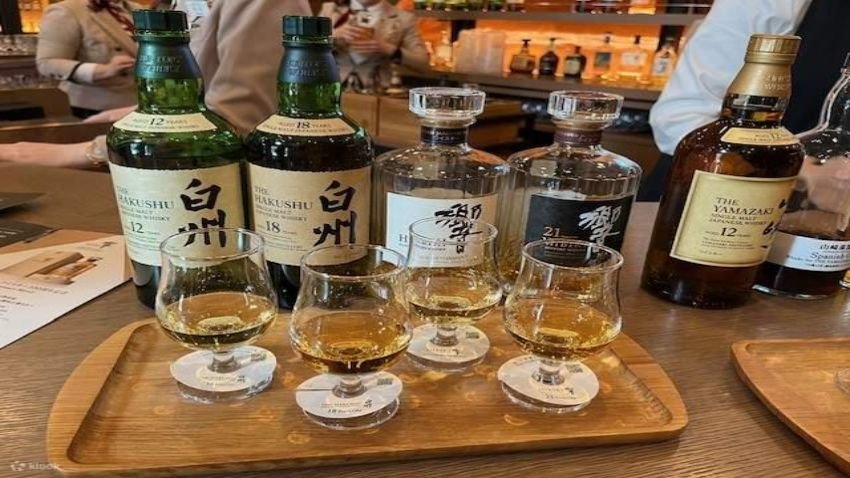
Yamazaki whisky typically displays:
- Golden amber color
- Rich copper tones
- Excellent clarity
The color varies depending on age and cask influence.
Aroma
One of the most celebrated aspects of Yamazaki is its aroma.
Common scents include:
- Honey
- Peach
- Citrus
- Vanilla
- Floral notes
- Oak spice
- Incense
Older expressions may also feature:
- Dried fruits
- Dark chocolate
- Leather
Taste
The palate often reveals:
- Smooth texture
- Balanced sweetness
- Fruit flavors
- Subtle spices
- Oak complexity
The whisky rarely feels harsh, making it approachable even for newcomers.
Finish
Yamazaki is known for its long and elegant finish.
Drinkers may notice lingering notes of:
- Oak
- Fruit
- Spice
- Sweet malt
The finish is often described as refined and memorable.
Why Whisky Enthusiasts Love Yamazaki
Several factors contribute to the popularity of Yamazaki:
Exceptional Craftsmanship
Every stage of production receives careful attention.
Complex Flavor Profiles
The use of different casks creates remarkable depth and variety.
Historical Significance
As Japan’s first commercial whisky distillery, Yamazaki occupies an important place in whisky history.
Global Awards
Numerous international awards have reinforced its reputation for excellence.
Limited Availability
Some expressions are produced in small quantities, increasing their desirability among collectors.
Collecting Yamazaki Whisky
Many whisky enthusiasts purchase Yamazaki bottles not only for drinking but also for collecting.
Reasons include:
- Limited releases
- Increasing demand
- Historical importance
- Potential investment value
Rare expressions often appreciate significantly in value over time.
However, many collectors emphasize that enjoying the whisky itself remains the primary attraction.
Pairing Yamazaki Whisky with Food
Yamazaki pairs surprisingly well with various foods.
Popular pairings include:
Seafood
- Sushi
- Sashimi
- Grilled fish
Cheese
- Aged cheddar
- Gouda
- Brie
Desserts
- Dark chocolate
- Fruit tarts
- Vanilla desserts
Japanese Cuisine
- Teriyaki dishes
- Yakitori
- Tempura
The whisky’s balance and elegance complement many flavors without overpowering them.
The Future of Yamazaki
Demand for Japanese whisky continues to grow worldwide.
As interest increases, Yamazaki remains at the forefront of innovation while preserving traditional methods.
Future releases will likely continue to showcase:
- Unique cask finishes
- Limited editions
- Experimental aging techniques
- Premium craftsmanship
The brand’s commitment to quality ensures its place among the world’s most respected whisky producers.
Frequently Asked Questions (FAQs)
What is Yamazaki whisky?
Yamazaki is a premium Japanese single malt whisky produced by Suntory at Japan’s oldest commercial whisky distillery.
Where is Yamazaki distilled?
It is distilled in the Yamazaki region between Kyoto and Osaka in Japan.
Why is Yamazaki whisky famous?
It is known for its exceptional quality, complex flavors, international awards, and historical significance in Japanese whisky production.
What does Yamazaki whisky taste like?
Common tasting notes include honey, citrus, vanilla, oak spice, dried fruits, and floral aromas.
Is Yamazaki good for beginners?
Yes. Its smooth and balanced character makes it approachable for newcomers while still appealing to experienced whisky enthusiasts.
Why are some Yamazaki bottles expensive?
Limited production, aging requirements, global demand, and collector interest contribute to higher prices for certain expressions.
Conclusion
Yamazaki represents the perfect blend of tradition, innovation, and craftsmanship. From its beginnings in 1923 as Japan’s first commercial whisky distillery to its current status as a global luxury whisky brand, Yamazaki has earned admiration from enthusiasts around the world.
Its careful production methods, exceptional water sources, diverse cask maturation techniques, and elegant flavor profiles make it one of the finest examples of Japanese whisky. Whether enjoyed by casual drinkers or serious collectors, Yamazaki continues to set the standard for excellence in the whisky industry.

Read Dive is a leading technology blog focusing on different domains like Blockchain, AI, Chatbot, Fintech, Health Tech, Software Development and Testing. For guest blogging, please feel free to contact at readdive@gmail.com.