
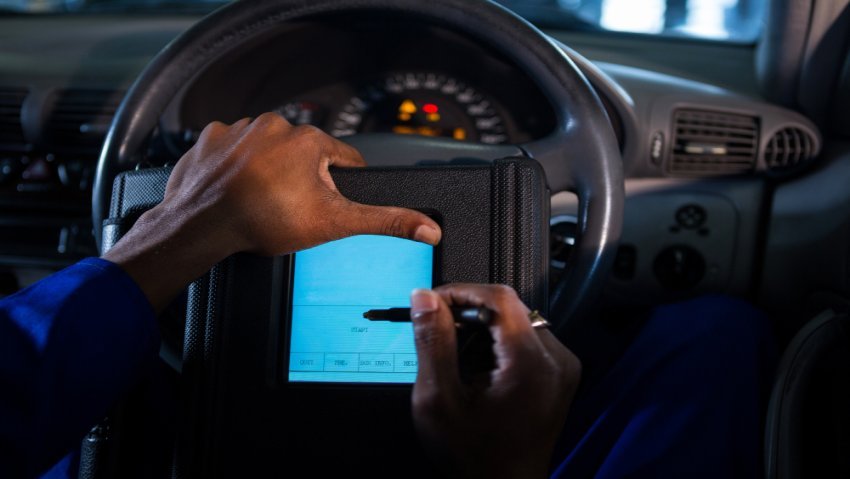
Most drivers think their car is just a machine that gets them from point A to point B. But modern cars are also tiny computers on wheels. They track speed, braking, steering angle, and even seatbelt use. Some store this information for seconds. Some store it for weeks. And after an accident, this hidden data can end up deciding who was at fault.
This isn’t science fiction. It’s already happening in real accident claims across the country. So if you drive a car made after 2014, there’s a good chance your vehicle has been logging your habits the whole time.
Most drivers never even open the section of their owner’s manual that mentions this. They just assume their car is a private space, the same way it felt twenty years ago. That assumption can cost people more than they expect once a crash investigation actually begins.
Let’s break down what this tech actually does, how it can help or hurt you after a crash, and what you should do about it.
What Your Car Actually Remembers
Almost every modern vehicle has something called an event data recorder, often nicknamed a “black box.” It’s not exactly like the black box on an airplane, but it works on a similar idea. The device sits quietly in the background, recording short bursts of data. Once a crash happens, it locks in details like your speed, whether you braked, and how hard the impact was.
This information used to be something only mechanics and engineers cared about. Now, it shows up in courtrooms and insurance disputes all the time. If you’ve ever wondered why a Jersey City personal injury lawyer might ask about your car’s onboard systems first thing after a wreck, this is exactly why. That data can confirm your version of events, or it can poke holes in the other driver’s story.
It can also settle disputes that would otherwise drag on for weeks, since two drivers rarely remember a crash the same way once shock and adrenaline are involved.
Here’s the tricky part. This data doesn’t last forever. Depending on the vehicle, it might get overwritten if the car keeps running after the crash. That’s one reason lawyers move quickly to request a vehicle be preserved before it’s repaired or sold. Once it’s gone, it’s gone. Insurance companies know this too, which is part of why timing matters so much in the days right after a collision.
The longer a damaged car sits in a random tow yard without anyone formally asking for the data to be preserved, the higher the odds that information quietly disappears.
Your Phone Knows More Than You Think
Cars aren’t the only tattletales on the road. Your smartphone is just as chatty, maybe more. Location history, step counts, even your screen-on time can become evidence in a crash investigation. If someone claims they weren’t using their phone before the wreck, but their phone logs show otherwise, that detail matters a lot.
This is part of a bigger shift happening in how accidents get investigated. Instead of relying only on police reports and witness memory, investigators now pull from a mix of digital sources. Vehicle telematics, GPS trackers, and dashcams all paint a more complete picture.
Many drivers already use simple aftermarket trackers for things like teen driver monitoring or theft protection, and during a crash investigation, that same little device suddenly becomes a key piece of evidence. It’s worth understanding what these tools record before you rely on one purely for convenience, since the data trail goes both ways once an accident happens.
The truth is, most people install these gadgets for peace of mind. They want to know where their car is, or they want proof if it ever gets stolen. Few think about how that same data could be requested by an insurance adjuster down the line. It’s not a bad thing to have. It just means you should know what you’re carrying around.
Dashcams Are Becoming the Silent Witness
A few years ago, dashcams were mostly a niche gadget for delivery drivers and rideshare workers. Now they’re everywhere. Cheap, easy to install, and genuinely useful when something goes wrong. A dashcam doesn’t lie about who ran the red light or who merged without signaling.
But dashcam footage has its own quirks. Some cameras only save short loops and erase older footage automatically. If you don’t pull the file quickly, you might lose the one piece of proof that backs up your story. Other cameras only record forward, missing what happened in your blind spot or from the side. So while a dashcam helps, it isn’t a perfect witness either.
The smart move is to treat a dashcam the same way you’d treat any other safety habit, like wearing a seatbelt. You hope you never need the footage, but you’ll be glad it’s there if you do. Plenty of drivers buy one after a close call, thinking back to a moment when they wished they had proof of what really happened. It’s a small investment that tends to pay for itself the first time you actually need it.
There’s also a growing trend of parking lots and busy intersections having their own private security cameras, which can work alongside your dashcam footage. If your accident happens near a storefront or gas station, it’s worth asking nearby businesses if their cameras caught anything, since footage like that often gets deleted within a week or two if nobody requests it.
Why This Matters More Than People Realize
Here’s the part that catches a lot of drivers off guard. Insurance companies are increasingly comfortable using this kind of tech data to settle claims faster, and not always in the driver’s favor. If your car’s black box shows you were going five miles over the limit, even if that wasn’t the actual cause of the crash, it can shift how an adjuster frames the story.
That’s why understanding your rights matters just as much as understanding the tech. You don’t have to just accept whatever the insurance company says the data shows. You can request your own copy. You can have an independent expert review it. And in many cases, you can challenge how that data is being interpreted.
This is also where things get genuinely interesting from a privacy standpoint. According to background information on the event data recorder entry on Wikipedia, several countries have started passing specific rules about who owns this crash data and who’s allowed to access it.
In the United States, the Driver Privacy Act gives ownership of this data to the vehicle owner, not the manufacturer or the insurance company. That means you usually have more control than you might assume, even if most people never learn this until after they’ve already been in an accident.
What You Can Do Today, Before Anything Happens
You don’t need to wait for a crash to get ahead of this. A few small habits can make a real difference if you ever end up dealing with an accident claim.
First, know what’s in your car. Check your owner’s manual or look up your model online to see whether it has an event data recorder and what it tracks. Most cars built in the last decade do.
Second, if you use a GPS tracker for personal or family reasons, get familiar with its data retention settings. Some apps only keep a rolling window of history, which means older trip data disappears automatically. If you want a longer record, you may need to adjust the settings yourself.
Third, consider a basic dashcam if you don’t already have one. They’re inexpensive these days, and even a budget model can offer real peace of mind. Just make sure you understand how long it stores footage before it overwrites itself.
Fourth, after any accident, no matter how minor it seems, write down what you remember as soon as possible. Memory fades fast, but your notes combined with any available tech data can build a much stronger picture of what actually happened.
Finally, don’t be afraid to ask questions. If an insurance company mentions “vehicle data” or “telematics” during a claim, ask exactly what they pulled and how they’re interpreting it. You’re allowed to understand the evidence being used against you, or for you.
The Bigger Picture
Cars have quietly become some of the most data-rich devices in our daily lives, right alongside our phones. Most of the time, that’s a good thing. It helps engineers build safer vehicles and helps families keep track of teen drivers or aging parents on the road. But the same systems that protect us can also complicate things after a crash if we don’t understand how they work.
It also helps to remember that none of this technology replaces good old-fashioned common sense. Slow down in parking lots. Keep a safe following distance. Avoid distractions behind the wheel. The best way to deal with crash data is to never need it explained to a judge in the first place. Still, accidents happen even to careful drivers, and that’s exactly when this knowledge becomes useful instead of just interesting trivia.
Technology isn’t going to stop collecting this information, and honestly, it shouldn’t. The real goal is making sure regular drivers understand what’s being recorded and why it matters.
The next time you get behind the wheel, take a second to think about everything quietly humming along in the background. It might just be the thing that backs up your story when you need it most. And the more familiar you are with it now, the less overwhelming it’ll feel if you ever actually have to use it.

Read Dive is a leading technology blog focusing on different domains like Blockchain, AI, Chatbot, Fintech, Health Tech, Software Development and Testing. For guest blogging, please feel free to contact at readdive@gmail.com.